
Petrolatum and Mineral Oil, Explained: What the FDA's 30% and 50% Skin Protectant Ranges Mean, Why the EU Asks About Refining History, and What a Comedogenicity Study Found
Petroleum jelly is one of the oldest and plainest ingredients in a skincare cabinet, and one of the most argued about. One camp calls it the best occlusive there is. The other has heard the word "petroleum" and wants it off the label. Mineral oil, its liquid relative, gets the same treatment: sold as a cleansing oil in Korean routines, avoided by shoppers who read "mineral oil free" as a quality mark. This article sticks to what regulators and published studies say: what the US FDA lets these ingredients claim, how the EU limits where they come from, what a comedogenicity test found, and what the evidence cannot settle. It does not tell you which product to buy.
What petrolatum and mineral oil actually are
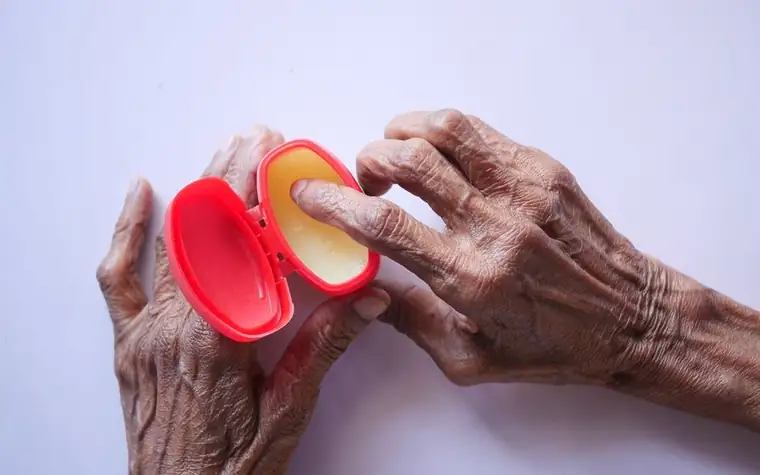
Both are mixtures of hydrocarbons, meaning chains of carbon and hydrogen, produced by refining crude oil. Mineral oil is the liquid, lighter fraction. Petrolatum, also labeled "petroleum jelly" or "white petrolatum," is a semi-solid blend of heavier hydrocarbons that melts near skin temperature. On an ingredient list you will see them as Petrolatum, Paraffinum Liquidum (the EU/INCI name for liquid paraffin, or mineral oil) or Mineral Oil. Because they are chemically inert and rarely react with other ingredients, formulators use them in everything from lip balm to cleansing balm.
Neither one is a humectant that pulls water in. They sit in the occlusive category, which we explain in our guide to humectants, occlusives and emollients. If you want the plant-derived, hydrogenated alternative, our squalane explainer covers how it differs.
What the FDA allows petrolatum to claim, and the numbers behind it
In the United States, petrolatum is one of the active ingredients in the FDA's over-the-counter skin protectant monograph, 21 CFR 347.10. The monograph lists petrolatum at 30 to 100 percent and white petrolatum at 30 to 100 percent. Mineral oil appears too, at 50 to 100 percent when used alone, or 30 to 35 percent when combined with colloidal oatmeal under 21 CFR 347.20(a)(4).
These percentages matter for a practical reason. They are the ranges at which the FDA recognizes a product as a skin protectant, which is a drug category with specific label wording about protecting skin from harmful or annoying stimuli. A lip balm or lotion with a small amount of petrolatum is a cosmetic and is not making that claim. So a product that lists petrolatum fourth or fifth on the label is a different thing from a 100 percent petrolatum jelly, even though both contain the same ingredient. The monograph tells you the concentration range regulators accept for the protectant role. It does not tell you that a cosmetic with a lower percentage does nothing.
What is measured when people say petrolatum is the strongest occlusive
The figure you will see most often is that petrolatum reduces transepidermal water loss (TEWL) by more than 98 percent, against 20 to 30 percent for many other oils. A 2016 review in the Indian Journal of Dermatology (Sethi and colleagues, "Moisturizers: The slippery road") states that petrolatum at a minimum concentration of 5 percent reduces TEWL by more than 98 percent, and describes mineral oil as reducing TEWL by only 20 to 30 percent. The same review notes that petrolatum's main drawback is cosmetic: it feels greasy, which limits how willingly people use it.
A 1992 paper in the Journal of the American Academy of Dermatology (Ghadially, Halkier-Sorensen and Elias) looked at how petrolatum behaves in the skin's outer layer. Rather than forming a waterproof film that sits only on top, it was found within the spaces between the cells of the stratum corneum. That finding is why the slugging trend, which relies on a petrolatum layer at night, has a measurable basis; we examine it in our slugging explainer. Note what these numbers describe: water leaving the skin under test conditions. They do not describe how a given face cream feels after a week.
Why the EU asks about refining history
The more heated part of the debate is purity. Crude-oil fractions can contain polycyclic aromatic hydrocarbons (PAHs), some of which are carcinogenic, which is why cosmetic-grade material is refined. Under EU Regulation 1223/2009, mineral oils are allowed in cosmetics only when the full refining history is known and either the starting material was free of carcinogens or the distillate was tested for carcinogenic properties using a specified method (IP346). In other words, the EU does not ban these ingredients; it bans unknown or unrefined sources.
Germany's Federal Institute for Risk Assessment (BfR) separates two groups of mineral oil hydrocarbons: saturated ones (MOSH) and aromatic ones (MOAH). Its 2015 assessment states that animal studies gave no indication of health damage from MOSH, while acknowledging data gaps on long-term skin uptake, and that minimizing MOAH levels looked technologically feasible. Its conclusion was that risks to consumer health from mineral oils in cosmetics absorbed through the skin were not to be expected. Health Canada reached a similar position on petrolatum, saying it is not harmful at current levels of exposure and that only highly refined petrolatum is used in products sold there. Those are positions as of their publication, not guarantees about any specific jar.
The comedogenicity question
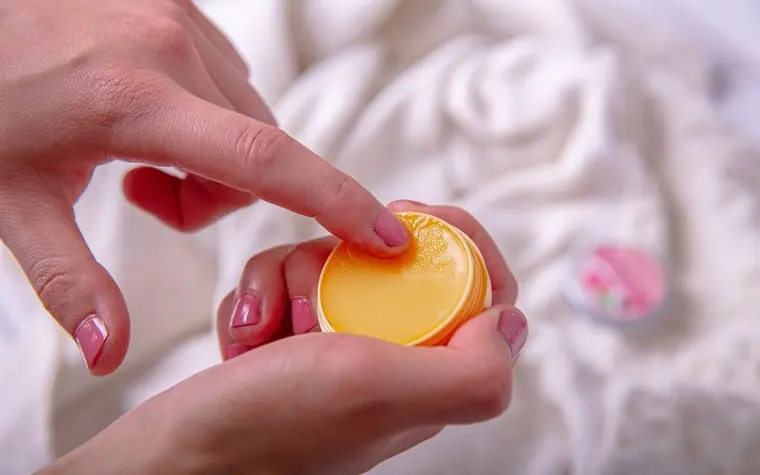
"Mineral oil clogs pores" is a claim repeated for decades. A 2005 study in the Journal of Cosmetic Dermatology by Joseph DiNardo distinguished industrial-grade from cosmetic-grade mineral oil. It reported that industrial-grade mineral oil may be comedogenic while cosmetic-grade mineral oil is not, and argued that mineral oil should be removed from lists of comedogenic ingredients. Two cautions apply. The paper was written by a cosmetic-industry toxicologist, and the older rabbit-ear tests that built those lists are widely seen as a poor guide to human faces. So the sensible reading is that grade matters and that a blanket "avoid it" rule rests on weak ground, not that every product containing it suits every face.
If you are choosing a moisturizer for shine-prone skin, the label terms "oil-free" and "non-comedogenic" have their own limits, which we cover in our piece on moisturizer and oily skin.
Mineral oil is common in oil cleansers because it dissolves oils and sunscreen well and is stable. In a double-cleansing routine it does the first-step job: it lifts oil-soluble residue so that the second, water-based step can rinse cleanly. It is not a treatment, and it does nothing a vegetable-oil cleanser cannot also do. The practical differences are texture, cost and personal tolerance. Fragrance and essential oils added to the same product are the more common cause of stinging than the mineral oil itself, so check for those if you react.
Who should be careful, and what not to combine
Petrolatum is also the base used for patch-test allergen preparations, and it is considered to be a rare cause of contact allergy. A summary in The Hospitalist of wound-care trials noted that no patients using petrolatum developed allergic contact dermatitis, compared with 5.5 percent for bacitracin. That is a statement about petrolatum alone, not about products that add fragrance or preservatives to it.
Occlusion works in both directions: whatever is underneath is held against the skin longer. That is why it is sensible to be cautious about sealing a strong active, such as a retinoid or an acid, under a thick petrolatum layer if your skin already stings; it may increase how much active stays in contact with the skin. Apply a thin layer only, keep it away from broken or infected skin unless a clinician advises it, and keep it off the eyes. Do not use petrolatum as a sunscreen substitute or on top of one that you have not allowed to dry.
How to read a label for these ingredients
Look for the names above in the first third of the ingredient list; ingredients are listed in descending order of concentration above one percent. If the product is a drug-labeled skin protectant, the Drug Facts panel will give the percentage. Look for terms such as "white petrolatum" or "USP" grades, which signal a pharmacopeial standard, though the label alone cannot show you the refining history. Our look at parabens and the EU's limits shows how a concentration-based rule is applied in practice, which is a useful comparison.

What these sources cannot tell you
Regulatory documents describe what is accepted at a given purity and concentration, and the TEWL data come from controlled measurements, not from daily life. No source cited here compares brands, and none shows that petrolatum or mineral oil is better than a plant-based occlusive for your face. The BfR notes continuing gaps on long-term skin uptake, and the comedogenicity paper has the limits described above. Treat this as a map of the evidence, not a recommendation.
This article summarizes published research and regulatory documents and is not medical advice. Patch test any new product on a small area of skin first, and consult a dermatologist if your skin reacts, if you have a persistent skin condition, or before using any occlusive product on irritated or broken skin.
All content is fact-checked under our editorial standards.