
Skin Flooding, Explained: What the Humectant-on-Damp-Skin Research Actually Shows
"Skin flooding" became a recurring TikTok search term around 2023: cleanse, leave the skin damp, then layer a humectant serum and a moisturizer on top before the water evaporates. The technique itself isn't new -- cosmetic chemists have talked about applying humectants to damp skin for years -- but the packaging of it as a named, four-step routine is what made it spread. The mechanism behind it is real and measurable. Whether the specific four-step version on your feed is necessary, or just a rebrand of "moisturize on damp skin," is a separate question.
What the method actually involves
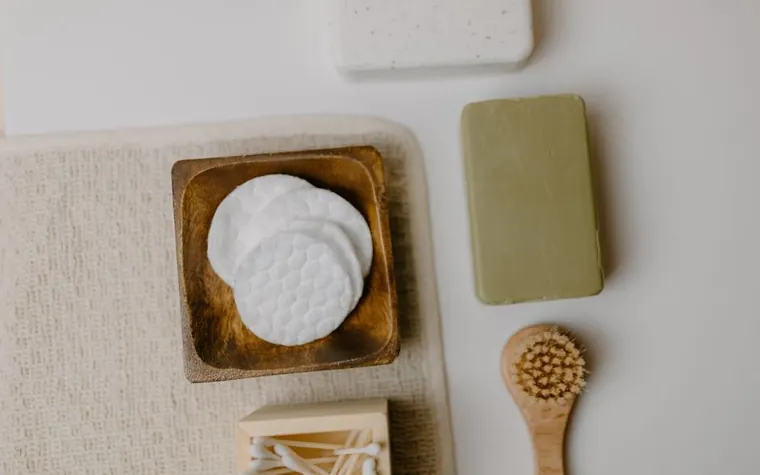
Skin flooding is typically described in four steps: cleanse without fully drying the face afterward, apply a humectant-forward serum (hyaluronic acid and/or glycerin are the usual leads) while skin is still damp, follow with a second hydrating layer if the routine calls for it, then seal everything with a moisturizer, cream, or ointment before the water sitting on the surface has a chance to evaporate. The "flooding" name refers to layering enough hydrating product, in that specific damp-skin sequence, to maximize how much water ends up held in the upper layers of skin rather than left to sit on top and evaporate off.
The mechanism: what humectants are actually doing
Humectants like glycerin and hyaluronic acid work by drawing water toward themselves -- from the air when humidity is high enough, and from deeper skin layers when it isn't. Applied to skin that's already damp from cleansing, they have a local water source to grab onto immediately, which is the specific reasoning behind doing this step before the skin fully dries rather than after. This part of the claim lines up with long-established humectant chemistry, not a new discovery -- what skin flooding changed was the timing and sequencing, not the ingredient science.
Why the sealing step isn't optional
The step people are most likely to skip is also the one that makes the technique work. Without an occlusive or emollient layer on top -- petrolatum, squalane, certain silicones, or a cream formulated with them -- the water a humectant pulls in can migrate back out through the same surface it came in from, and on very dry days a humectant applied without a seal can actually pull moisture up from deeper skin layers and lose it to the air, leaving skin slightly worse off than doing nothing. That's the mechanism behind reduced transepidermal water loss (TEWL): humectants attract the water, and occlusives slow its escape. One step without the other is an incomplete version of the technique.
What the published research actually measured
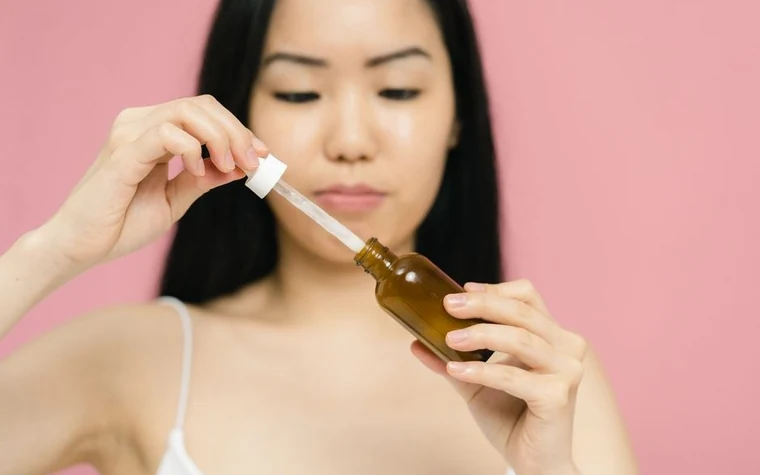
A 2017 controlled study in Clinical, Cosmetic and Investigational Dermatology tested a fluid containing 1% hyaluronic acid, 5% glycerin, and Centella asiatica extract on 20 healthy women, comparing treated skin against an untreated control site on the same person over 24 hours. The treated side showed measurably higher hydration and lower transepidermal water loss than the control site at the 24-hour mark. That's a real, peer-reviewed result -- but it's a single small trial of one specific formulation, not a study of "skin flooding" as a named four-step ritual, and it doesn't establish that adding a third or fourth humectant layer improves on what one well-formulated product already does. A broader 2025 review on TEWL measurement in Advances in Wound Care reinforces the general principle -- that a compromised barrier loses water faster than an intact one -- without speaking to any specific layering routine.
Concentration is the part influencers usually skip
Not all hyaluronic acid serums are formulated the same. Products built around a 1% or higher concentration of hyaluronic acid -- ideally blended across multiple molecular weights, since smaller HA fragments penetrate more superficial layers while larger ones sit on the surface -- are the ones with hydration data behind them. Glycerin is typically studied in the 5% range in the formulation above, though many moisturizers use higher concentrations without issue since glycerin has a long safety record at various levels. A serum's ingredient list showing hyaluronic acid near the bottom, in trace amounts behind a dozen other ingredients, is not delivering the same effect as the concentrations used in published hydration studies.
Where the technique can backfire
Layering multiple products that all lead with the same one or two humectants is mostly redundant rather than additive -- skin can only hold so much water in the upper layers regardless of how many bottles contributed it. In low-humidity environments (heated winter air, airplane cabins, arid climates), applying a humectant serum without immediately sealing it is the scenario most likely to produce paradoxical dryness, since there's less ambient moisture for the humectant to draw from. And for anyone prone to congestion or acne, stacking multiple rich occlusive layers on top of several serums can trap oil and debris rather than just hydrating skin -- a lighter single sealing step is usually enough.
How this compares to other layering techniques
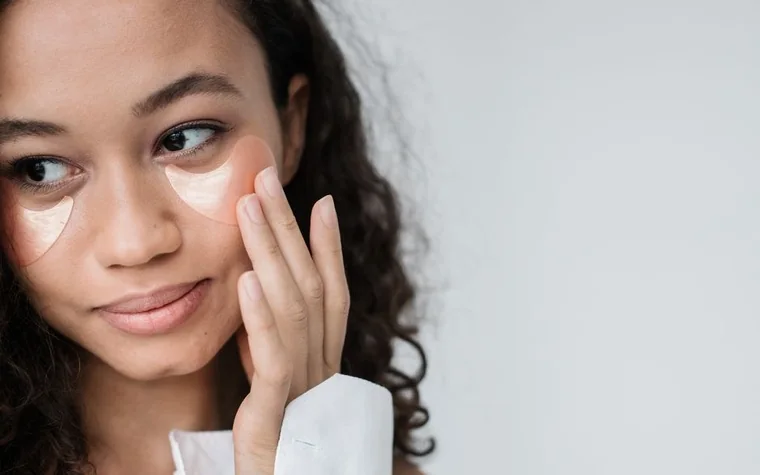
Skin flooding overlaps conceptually with the broader principle covered in this site's guide to skincare layering order -- thinnest, most water-based products first, richer and more occlusive products last -- and with the specific mechanics laid out in the humectant vs. occlusive vs. emollient breakdown. It's a more deliberate, damp-skin-timed version of that same order rather than a different system. It's also a lighter-touch cousin of the 7-skin method, which repeats a single toner layer up to seven times to reach the same kind of humectant saturation -- skin flooding gets there with fewer products but leans more on precise timing against damp skin.
Bottom line
Skin flooding is a real mechanism -- humectants on damp skin, sealed before the water evaporates -- reflected in actual hydration and TEWL research, not just a marketing term. The part worth keeping is the sequence: cleanse, apply a humectant serum with a meaningful concentration while skin is still damp, and seal it with a moisturizer before it dries. The part worth skipping is stacking four or five humectant-led products expecting a proportional result, especially in a dry climate without a sealing step. This is general ingredient and technique information, not a treatment claim; patch-test any new product on a small area first, and see a board-certified dermatologist for persistent dryness, irritation, or any diagnosed skin condition rather than adjusting a routine alone.
All content is fact-checked under our editorial standards.