
The 7-Skin Method, Explained: What Actually Happens When You Layer Toner Seven Times
The "7-skin method" asks you to pat on a hydrating toner in multiple thin layers -- traditionally seven, though most people stop well before that -- instead of one heavier application. It reads like an excuse to sell more toner, but the mechanism behind it is ordinary formulation chemistry: what's actually being layered, and why layering it changes the outcome, comes down to how humectants behave in the stratum corneum.
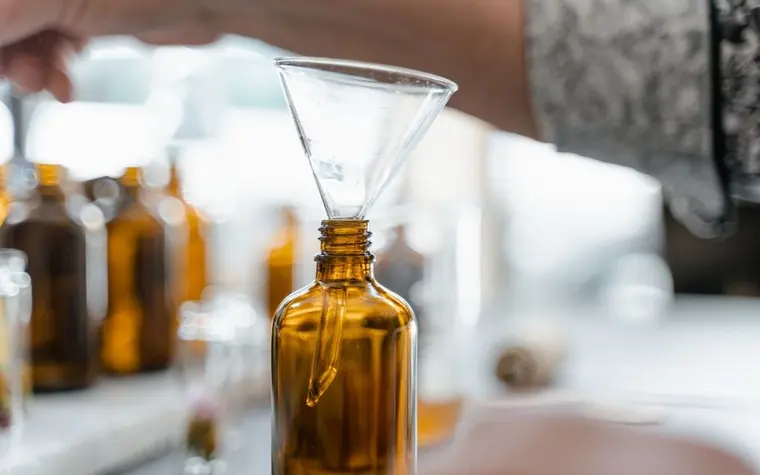
Applying the same toner seven times sounds like marketing until you look at what's in the bottle
What a hydrating toner is actually made of
The toners used for this method are typically water-based formulas built around humectants -- glycerin, hyaluronic acid, betaine, or panthenol -- rather than the astringent, alcohol-heavy toners of decades past. Humectants work by drawing water into the stratum corneum, either from the deeper layers of skin or from the surrounding air. A single thin layer delivers a proportionally small amount of humectant to the skin's surface; the theory behind repeated layering is that each additional pass adds another increment of water-binding material before the previous layer has fully evaporated or absorbed.
Why several thin layers can outperform one thick one
Formulation chemists generally agree that thin, sequential layers of a humectant-rich liquid are absorbed more completely than the same total volume applied at once. A single heavy application can sit on the surface, partially evaporate before it penetrates, and leave excess product to be absorbed by a towel or pillow rather than skin. Applying the same volume in stages gives each layer time to be taken up before the next one arrives, which is the practical reasoning -- not marketing language -- behind "layers absorb better than volume."
The point of diminishing returns
Skin's capacity to take up water isn't unlimited in a single sitting. Once the stratum corneum's available binding sites for a given humectant are saturated, additional layers stop adding meaningful hydration and start sitting on the surface instead -- which is when skin starts to feel tacky or product begins to pill under a fingertip. This is also why most people report the visible benefit plateauing well before a literal seventh layer; three to five thin layers is what most users and formulators describe as the practical range where saturation is reached.
Why toner, and why pilling means stop, not push through
The method works with toner rather than a thicker serum or cream for a simple viscosity reason: thin, low-viscosity liquids spread and absorb quickly enough that multiple passes are practical within a few minutes, the way the absorption window between any two skincare steps generally works. Layering a heavier serum or cream the same way would leave a tacky film long before a third or fourth layer, since thicker formulas carry a higher share of occlusive or emollient ingredients meant to sit on the surface rather than absorb in sequence. When a layer starts to roll up under your fingers instead of sinking in, that's the stratum corneum signaling it has taken up as much as it's going to for this session -- not a technique failure. Waiting a beat longer, switching to a thinner-textured formula, or simply stopping at three or four layers addresses pilling more reliably than pushing toward a literal seven.

Where it fits with the rest of a routine
Layered toner is a hydration step, not a substitute for the other jobs a routine does. It doesn't replace the occlusive step that seals hydration in afterward -- humectants pull water in, but without something to slow evaporation back out, that water can migrate back out of the skin over the following hour, especially in low-humidity environments. It's also not a barrier-repair strategy on its own; if the skin barrier itself is compromised, more humectant layers can occasionally pull water toward the surface faster than a damaged barrier can hold it, which is one reason people with active barrier issues sometimes report the opposite of the intended effect.
Who tends to notice the biggest difference
People with genuinely dehydrated skin -- a temporary water shortage rather than a lipid deficiency -- are the group most likely to notice a visible plumping effect from this method, since the technique is specifically addressing water content rather than oil production. Naturally oily skin can also tolerate the method well because a humectant-only toner doesn't add the occlusive weight that heavier layering with a rich cream would. Very dry or barrier-compromised skin is where the returns are least predictable, since water pulled in without adequate sealing can evaporate again fairly quickly.
What the evidence doesn't fully settle
Most of what's written about the 7-skin method comes from formulation reasoning and consumer-reported results rather than controlled clinical trials measuring transepidermal water loss before and after a specific number of toner layers. The underlying humectant chemistry is well established; the specific number "seven," and exactly how much incremental benefit each additional layer provides, has not been measured layer-by-layer in published dermatology research. Treat the number as a starting habit to adjust, not a clinically validated endpoint.
Patch test first
Introducing any new toner in multiple daily layers means more total exposure to its full ingredient list, so patch test a new formula before committing to repeated layering, and see a dermatologist for persistent stinging, breakouts, or irritation that layering doesn't resolve; this article explains cosmetic formulation reasoning, not a substitute for dermatologist advice.
All content is fact-checked under our editorial standards.