
Allantoin, Explained: What the 2010 CIR Review Found at Up to 2 Percent, Why the FDA Lists 0.5 to 2 Percent as a Skin Protectant, and Whether Comfrey Is the Source
Allantoin is on the label of many creams, toners and lip products, usually near the end of the list. This guide follows what two public sources actually say about it: a 2010 safety review and a federal over-the-counter rule.

What allantoin is, and where it comes from
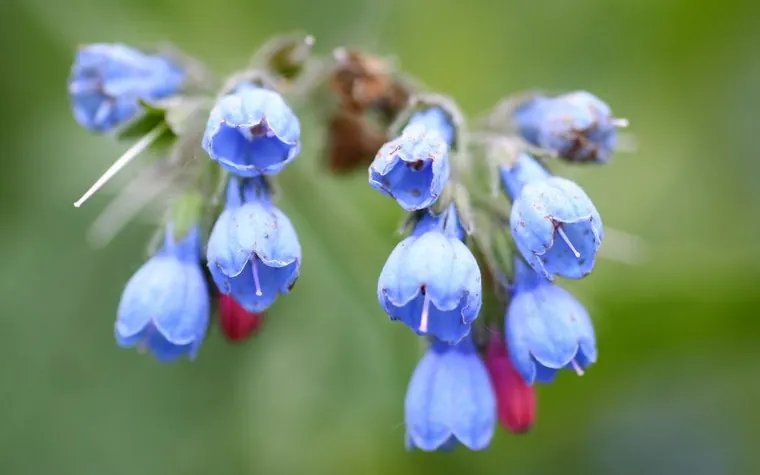
Allantoin is a small, water-soluble compound. It occurs naturally in the roots and leaves of the comfrey plant, but supplier fact sheets say cosmetic grades are made synthetically by condensing glyoxylic acid and urea. The result is described as nature-identical.
So "allantoin" on a label usually means a lab-made ingredient, not a plant extract. That is a supplier statement, and it does not make an ingredient better or worse.
What the 2010 safety review concluded
The Cosmetic Ingredient Review (CIR) Expert Panel published its final report on allantoin and related complexes in the International Journal of Toxicology in 2010 (volume 29, supplement 3, pages 84S to 97S).
The report states that allantoin was used in 1,376 cosmetic products at concentrations up to 2 percent. The panel found the safety test data sufficient to support the safety of allantoin and the allantoin complexes in the product categories and at the concentrations reviewed.
That wording matters. It covers the uses reviewed, not every possible product or strength.
The complexes are not all equally documented
The same report covers allantoin paired with other substances, including ascorbate, biotin, glycyrrhetinic acid and panthenol. The first four partners had already been judged safe by the panel.
Galacturonic acid and polygalacturonic acid had not been reviewed, and the report notes data gaps on use and concentration for the remaining complexes. If a label lists a compound name beginning with "allantoin", plain allantoin is the best-documented one.
Where the 0.5 to 2 percent range comes from
Federal regulation 21 CFR 347.10 lists allantoin as a skin protectant active ingredient at 0.5 to 2 percent. The same list gives other ranges: zinc oxide 1 to 25 percent, dimethicone 1 to 30 percent and glycerin 20 to 45 percent.
Allantoin's 2 percent ceiling is among the lowest on the list, shared only by zinc acetate and zinc carbonate, and it matches the 2 percent top of use in the CIR report. A product sold under this rule is treated as an over-the-counter drug and carries drug labeling, including "for external use only" and a warning not to use it on deep or puncture wounds.
Cosmetic versus drug: why wording changes
Under the rule, a protectant label may say it temporarily protects minor cuts, scrapes and burns, or chapped and cracked skin. Cosmetics cannot make treatment claims like these.
So the same ingredient can sit in a lotion with cosmetic wording or in a protectant with drug wording. Check the "Drug Facts" panel to see which kind you hold. The ingredient does not change, but the claims allowed do.
Why you rarely see it at high strength
PubChem lists allantoin's solubility in water as 5.26 mg/mL at 25°C, or 0.57 percent from a Merck source. One supplier sheet notes it becomes difficult to dissolve above 0.5 percent.
That sits right at the bottom of the 0.5 to 2 percent range, so how well it dissolves depends on how the maker built the formula. We could not find a published comparison of how this changes results on skin, so we draw no conclusion from it.
How to read it on a label
Allantoin sits beside other protectant ingredients we have covered, such as petrolatum and glycerin, and the same rule that lists them lists colloidal oatmeal.
Position on an ingredient list shows rank by amount, but cannot tell you the exact percentage. A new product is still worth a trial run; our patch-test guide explains how.
Short version
Allantoin is usually synthetic, was reviewed by the CIR panel in 2010 with use up to 2 percent, and is a listed skin protectant at 0.5 to 2 percent in the United States. This article is educational, not medical advice: patch-test new products first, and ask a dermatologist about any persistent skin problem.
All content is fact-checked under our editorial standards.