
Beef Tallow Skincare, Explained: What a 2025 Analysis of 200 Social-Media Posts Found, and Why the Sebum-Match Pitch Falls Short
Beef tallow balms are sold as a "skin-identical" moisturizer, often with skin-condition claims attached. The evidence is thinner than the marketing: a 2025 analysis of 200 social-media posts found those claims largely uncited, and most were sold by someone with a financial stake.
What tallow is
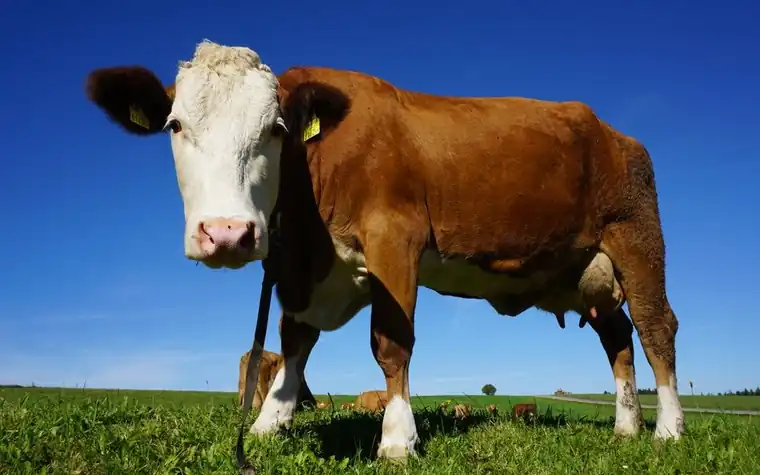
Tallow is rendered cattle fat. Secondary summaries put it at roughly 50-55% saturated fat, mainly palmitic and stearic acid, and 40-45% monounsaturated fat, mostly oleic acid, with a little linoleic acid. Batches vary with the animal and the rendering.
The study behind the trend
Almatroud, Choi, Libson and Ashack (Journal of Cosmetic Dermatology, 2025) analyzed 50 YouTube videos, 50 YouTube Shorts, 50 Instagram posts and 50 TikTok videos about tallow skincare. Their conclusion was that the evidence remains insufficient to support the claims. Posts claimed benefits for acne (29), eczema (25) and psoriasis (12).
Who was recommending it
Non-dermatologist speakers endorsed tallow most often (83%), while dermatologists recommended it least often (7%). Financial bias showed up in 92% of Instagram posts and 74% of YouTube videos, and in 96% of brand accounts versus 55% of personal channels.
What the posts left out
Only YouTube videos cited sources, and just 16% did. Risks came up in 24% of YouTube videos, the highest of any platform.
Does it really match your sebum?
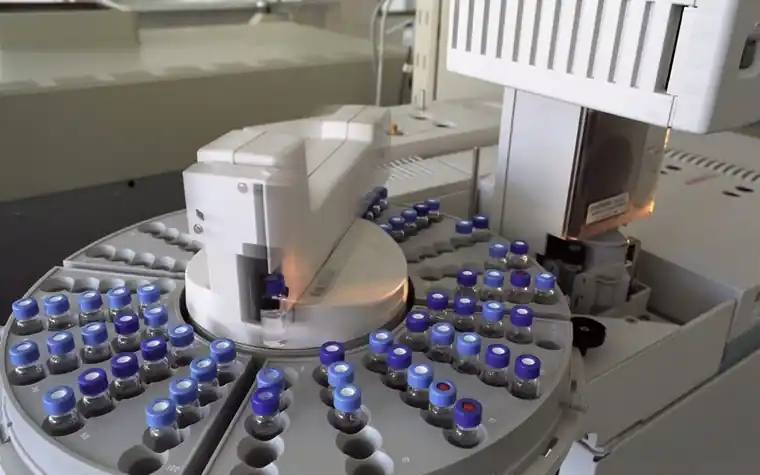
The "biocompatible" pitch says tallow resembles human sebum. Reviews describe sebum as a mix that includes squalene (roughly 10-15%) and wax esters (roughly 20-30%), two lipid classes largely absent from tallow. See the squalane article on squalene.
Sebum is not the barrier either
The lipids holding the outer layer together are a different mix: ceramides make up about half, alongside cholesterol and free fatty acids. Tallow does not supply ceramides, and the ceramide article covers the ratio.
What the fatty acids do individually
Dermatology Times, summarizing the study, notes mixed findings. Linoleic acid has been linked to smaller microcomedones in clinical and in vitro work, but palmitic acid raised inflammatory cytokines IL-6 and IL-8 in sebocytes, and oleic acid may increase water loss or contribute to barrier dysfunction.

Practical risks and what to do
The same summary lists contamination during rendering or storage, rancidity from unsaturated fats, and possible allergenicity in atopic skin. A heavy fat works as an occlusive, as the humectant, occlusive, emollient guide explains. Petrolatum has trial data on barrier recovery, discussed in the slugging article, and tallow has none.
This article summarizes published research and is not medical advice. Patch test any new product first, and see a dermatologist about acne, eczema or psoriasis rather than treating them with a trend.
All content is fact-checked under our editorial standards.