
Comedogenic Ratings, Explained: What the Rabbit Ear Assay Measured, What a Six-Person Finished-Product Test Found, and What 'Non-Comedogenic' Does Not Guarantee
Labels say "non-comedogenic", and online charts sort oils from 0 to 5. This guide follows the published studies behind them.
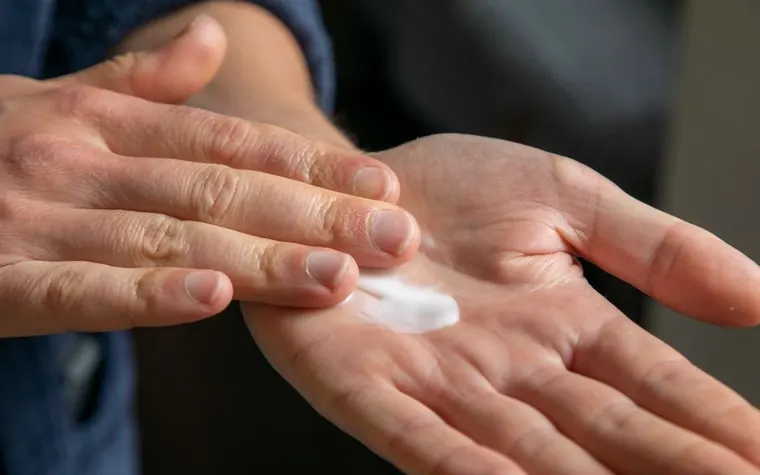
What comedogenic means
A comedone is a plugged hair follicle. "Comedogenic" means a material was reported to cause such plugs in a test. The FDA's cosmetic claims page says labeling needs no FDA approval before sale and that the agency has no list of approved cosmetic claims.
Where the ingredient lists came from
Much early data came from the rabbit ear assay. A 1979 paper by Kligman and Kwong applied materials to rabbit ears for 2 weeks and counted plugged follicles; across 16 materials, agreement with the older model was called excellent. In 1984 Fulton and colleagues applied the model to products and raw ingredients, naming isopropyl myristate and related esters, some lanolin derivatives and D&C Red dyes as offenders. They called the rabbit ear "not an ideal animal model but the best we have".
Why a rabbit ear is a shaky stand-in
A 2016 study in Skin Research and Technology notes that several studies found the rabbit ear model overreacts to comedogenic materials. It compared comedone counts across the face, chest and back of 66 women with mild to moderate facial acne, and advised testing on both back and face.

What finished products showed
In 2006 Draelos and DiNardo tested finished cosmetics on six people who formed comedones on the upper back. Patches with 0.2 to 0.5 mL of product went on three times a week for 4 weeks, and follicle samples were counted. Their conclusion: finished products using comedogenic ingredients are not necessarily comedogenic.
Why the formula may matter
The abstract does not say why, so this is our reading, not a finding. A raw material tested alone is not the same as a few percent inside a formula. A chart cannot see amount or vehicle; our petrolatum and mineral oil guide shows how grade changes a study's meaning.
What non-comedogenic can tell you
A 2017 review by Weiss and Caswell describes two methods: the inexpensive Mills and Kligman human model, and a costlier clinical trial it calls the gold standard. Claims are not pre-approved, so the wording does not reveal which test, if any, sits behind it. For shine-prone skin, see our oily skin and moisturizer guide.

Using this when you shop
Treat a chart as a prompt for questions: measured on what, at what concentration, in which product? Our patch-test guide covers trying something new, though a patch test checks irritation and allergy, not plugged follicles, which closed comedones explains.
Short version
Ingredient rankings grew from animal work, and the human finished-product study here found a listed ingredient does not make a product comedogenic. This article is educational, not medical advice: patch-test new products first, and ask a dermatologist about acne or any persistent skin problem.
All content is fact-checked under our editorial standards.