
Facial Scrubs, Explained: What the Microbead Ban Covers, What the FDA Says It Does Not, and the AAD's Guidance on Skin Type, Pressure and Timing
A facial scrub looks simple: gritty particles, a wet face and a few circles. Two public documents explain most of what is worth knowing. One is a US law that removed plastic beads from rinse-off products. The other is the American Academy of Dermatology's guidance on exfoliating at home. This guide covers what the law banned, what it deliberately left alone, and what the AAD says about skin type, pressure and timing.
What a scrub actually is
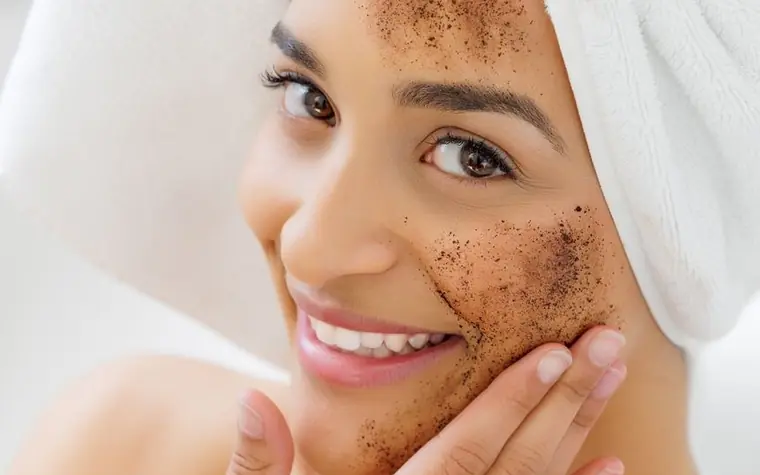
The AAD splits home exfoliation into two methods. Mechanical exfoliation uses a tool such as a brush, pad or sponge, or a scrub, to physically remove dead skin cells. Chemical exfoliation uses ingredients such as alpha and beta hydroxy acids to dissolve them. A scrub is therefore the mechanical kind: the particles do the work, and the amount of work depends on how hard and how long you rub. For the chemical alternative, see our explainers on glycolic acid and lactic acid.
What the Microbead-Free Waters Act banned
Congress passed the Microbead-Free Waters Act in December 2015. The FDA's FAQ page quotes its definition of a plastic microbead as any solid plastic particle that is 5 millimeters or less in size and intended to be used to exfoliate or cleanse the body. The law applies to rinse-off cosmetics. The deadline to stop manufacturing them was July 1, 2017, and the deadline to stop introducing them into interstate commerce was July 1, 2018.
Products with a drug claim got an extra year
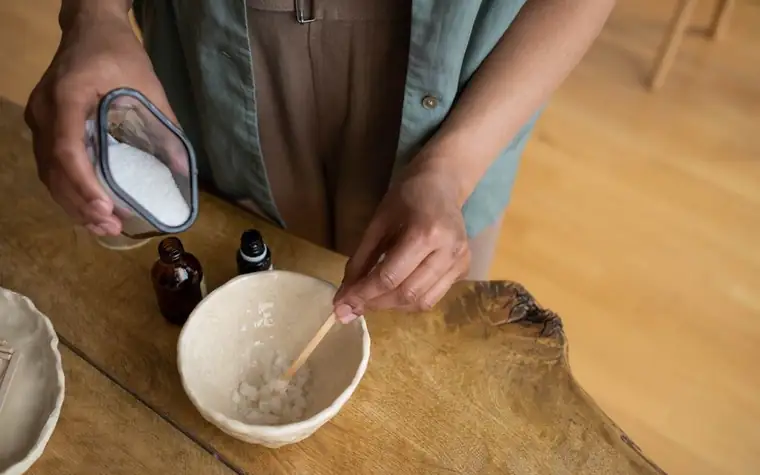
Rinse-off products that are also nonprescription drugs, such as some acne washes and toothpastes, had later dates. According to the FDA, manufacturing had to stop by July 1, 2018, and interstate commerce by July 1, 2019. The practical effect is that a scrub bought in the US today should not contain plastic beads, and the particles you see are something else, such as ground shells, sugar, salt or mineral grains.
The law was about water, not your skin
It is easy to read the ban as a safety ruling on scrubs. The FDA says otherwise: the law does not address consumer safety, and the agency says it does not have evidence suggesting that plastic microbeads, as used in cosmetics, pose a human health concern. The concern behind the act was beads passing through water treatment and reaching lakes and oceans. A bead-free scrub is better for waterways, but that tells you nothing about whether it is gentle on your face.
What the AAD says about skin type
The AAD's guidance is where the skin question is answered. People with dry, sensitive or acne-prone skin may prefer just a washcloth and a mild chemical exfoliator, because mechanical exfoliation may be too irritating. People with oily, thicker skin may tolerate stronger chemical treatments or mechanical exfoliation. For darker skin tones, the AAD advises avoiding strong chemical or mechanical exfoliation, which may lead to increased pigmentation or dark spots. It also says never to exfoliate over open cuts or wounds, or sunburned skin.
Pressure, time and water temperature
The technique the AAD describes is modest. Apply the product gently in small, circular motions for about 30 seconds, then rinse well with lukewarm rather than hot water. For a brush or sponge, use short, light strokes. Its rule of thumb on frequency has no fixed number: the more aggressive the exfoliation, the less often it needs to be done. Heat is a separate variable, and our piece on water temperature for washing explains why lukewarm is the default.

After the scrub
The AAD says to apply moisturizer immediately after exfoliating, since the step can be drying. It also warns that retinoid creams, retinol and benzoyl peroxide can make skin more sensitive or prone to peeling, so exfoliating on top of them may worsen dryness or even cause breakouts. If you use a retinoid on some nights, it is better to keep a scrub on a separate day and see how the skin responds. Redness and irritation are the signs of overdoing it, and our over-exfoliation guide describes what a reset looks like.
A short checklist
Choose a scrub only if your skin tolerates friction, and start with the lightest pressure you can. Keep it to about 30 seconds, rinse lukewarm, moisturize straight away and space sessions out rather than adding them. If a scrub leaves your face red, stinging or darker in patches, stop and ask a dermatologist rather than switching to a stronger product. This article is educational, not medical advice: patch-test any new product on a small area first, and consult a dermatologist about persistent skin problems.
All content is fact-checked under our editorial standards.