
Gua Sha and Facial Rollers: What a 2025 Randomized Trial Actually Measured About Puffiness
Gua sha -- a flat stone tool dragged along the skin in one direction -- and jade or quartz facial rollers have been sold on the promise of "lymphatic drainage," "sculpting," and reduced puffiness for years, mostly through testimonials and before-after photos rather than data. That changed somewhat recently: a randomized controlled trial published in the Journal of Cosmetic Dermatology actually measured facial contours before and after weeks of use, instead of relying on how people felt their face looked. The result is one of the few facial-tool claims in K-beauty with an actual anthropometric study behind it -- though what it measured is narrower than what's advertised.
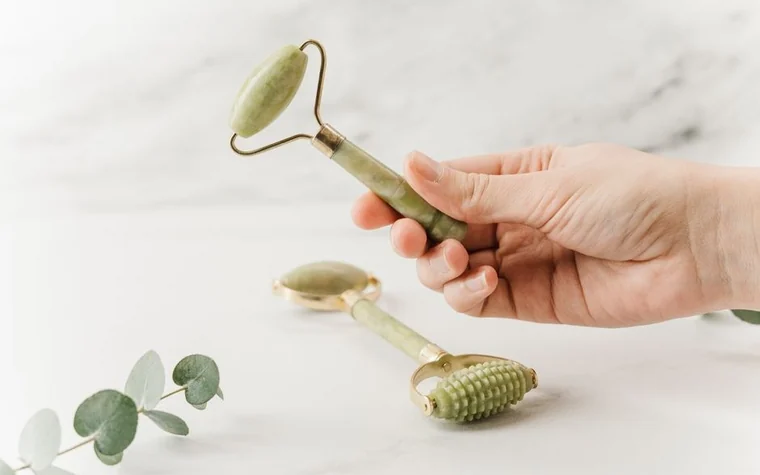
The claim: dragging a stone across your face moves fluid, not just marketing copy
What the 2025 randomized trial actually tested
The trial assigned 34 women aged 20-50 to either a facial roller group or a gua sha group. Each group performed their assigned massage technique for 10 minutes, five times a week, for 8 weeks -- a real time commitment, not a one-time demo. Researchers took physical measurements of facial contour, muscle tone, and skin elasticity before and after, rather than asking participants to self-report improvement.
The numbers: millimeters, not miracles
Both tools produced measurable change. The gua sha group showed facial contour reductions of 2.23 to 2.40mm; the facial roller group showed slightly larger reductions of 2.75 to 3.26mm. For comparison, professional manual lymphatic drainage massage in other studies has produced reductions in a similar 2.1-3.0mm range. The two tools didn't produce identical effects, either: the gua sha group saw a significant drop in muscle tone readings, while the facial roller group saw a significant gain in skin elasticity measurements -- meaning the two tools may work through overlapping but not identical mechanisms.

What "lymphatic drainage" means here, mechanically
The face has lymphatic vessels that drain interstitial fluid -- the fluid sitting between cells -- toward lymph nodes in the neck. Overnight, lying flat lets fluid pool in the face instead of draining normally, which is a large part of why faces look puffier in the morning. Directional pressure from gua sha or rolling can mechanically push some of that pooled fluid toward the draining lymph nodes faster than it would move on its own. That's a real, physiologically plausible mechanism -- it's just a temporary fluid shift, not a change to the lymphatic system itself.
The gap between "measured" and "permanent"
This is where marketing claims outrun the data. The lymphatic flow that gua sha or a roller redirects returns to its normal pattern within hours -- the depuffing effect from a single session is real but short-lived, similar to how a cold compress works. The 8-week study measured cumulative results from a repeated 5-times-a-week routine, not a lasting structural change to facial fat, fascia, or bone -- there's no data supporting the "sculpting" or "contouring" language often used to describe a single-session or occasional-use routine. If you stop the daily practice, the millimeter-level gains the study measured aren't expected to hold.
Why this doesn't reach dark circles or under-eye puffiness the same way
Not all facial puffiness responds the same way to mechanical massage. Puffiness and dark circles are separate problems with separate causes -- true dark circles come from pigmentation, thin under-eye skin showing blood vessels, or structural shadowing, none of which fluid-shifting tools can touch. Of the four recognized types of dark circles, only the vascular type -- caused by visible blood pooling -- has any plausible overlap with what gua sha addresses, and even that overlap is about surface circulation, not the pigment or structural types.
How this compares to a topical approach
If the goal is specifically reducing puffiness rather than a facial massage ritual, topical caffeine at researched concentrations works through a different, chemical mechanism -- constricting surface blood vessels and reducing local fluid retention -- rather than mechanically pushing fluid elsewhere. The two approaches aren't competing; a caffeine-based eye cream and a gua sha routine address overlapping symptoms through unrelated pathways, which is why some routines use both rather than choosing one.
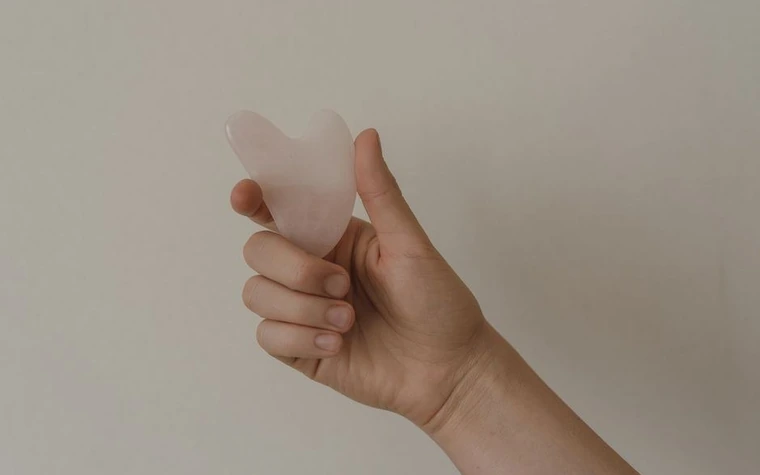
Bottom line
Gua sha and facial rollers have more evidence behind them than most viral skincare tools -- a controlled trial did measure small, real reductions in facial contour after consistent 8-week use. The 2025 trial didn't find that jade, rose quartz, or a specific stone type mattered; what it measured was consistent, repeated, directional pressure over 8 weeks, which means a plain stainless steel roller used consistently is mechanically doing the same thing as an expensive jade one. But the effect is a temporary fluid shift maintained by repetition, not a permanent lymphatic or structural change, and it doesn't reach pigment-based or structural dark circles at all. Anyone using these tools on skin with active acne, a rash, or recent procedures should pause the practice; always patch test any new tool pressure on sensitive skin and see a dermatologist for persistent puffiness or discoloration that doesn't respond to at-home care.
All content is fact-checked under our editorial standards.