
Caffeine in Skincare, Explained: What the Concentration Studies Show About Puffiness and Dark Circles
Under-eye creams and serums list caffeine constantly, usually paired with a promise about puffiness or tired-looking eyes. Unlike a lot of eye-area marketing claims, caffeine actually has clinical trials behind the specific claim of reduced puffiness -- but the effect size, the concentration it was studied at, and how long it takes to show up are all more specific than "wakes up your eyes" suggests. Here's what the actual studies measured.

Caffeine is one of the few "morning puffiness" ingredients with real trial data
The concentration that shows up in puffiness trials
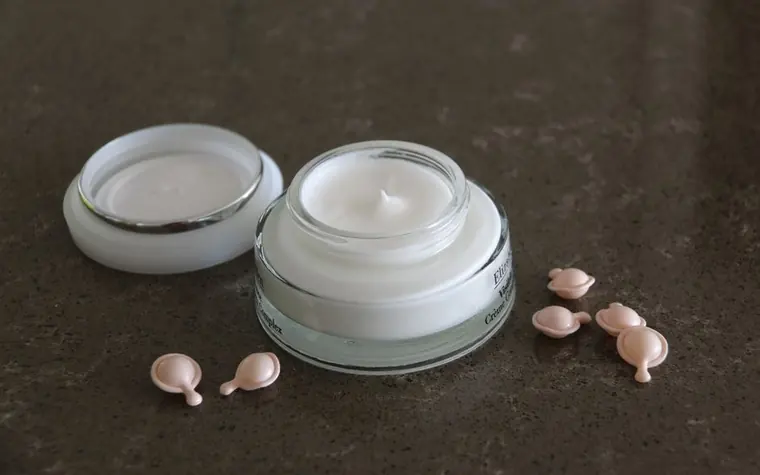
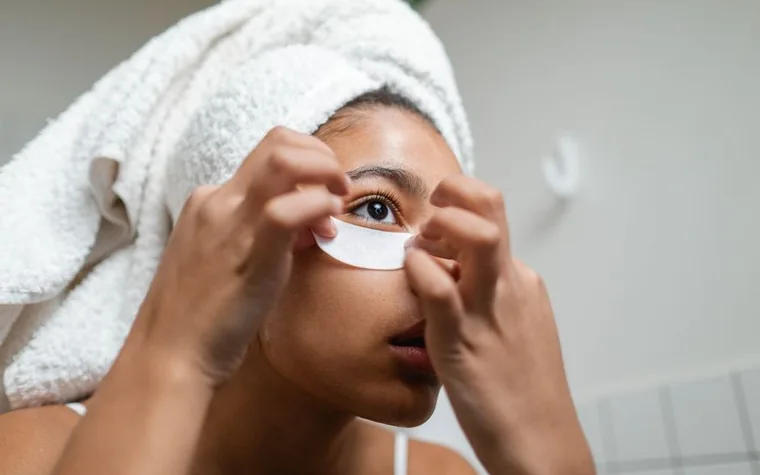
Most of the clinical evidence for an acute de-puffing effect clusters around caffeine concentrations of 3% to 5%. In one six-week trial using a 5% caffeine formulation applied twice daily to 23 participants, researchers reported that the product visibly minimized the look of under-eye puffiness within three weeks, with continued improvement over the following weeks. A separate clinical assessment of a caffeine-containing eye formulation found a statistically significant reduction in puffiness of roughly 38%, alongside reductions in the appearance of dark circles and under-eye bags, after four weeks of twice-daily use.
Lower concentrations are used for a different job
Not every caffeine eye product is formulated for the same purpose. Concentrations in the 0.25% to 0.5% range show up in research aimed at barrier support and skin elasticity rather than the acute, visible de-puffing effect -- a gentler dose that's generally considered more appropriate for the thin, sensitive skin directly around the eye when the goal is daily maintenance rather than a fast cosmetic result. This is one reason two "caffeine eye cream" products can behave very differently even when caffeine is the headline ingredient on both labels: the concentration, not just the presence of the ingredient, is what the trials were actually measuring.
Dark circle results are smaller and slower than puffiness results
Puffiness and dark circles are frequently marketed together, but the trial data treats them as separate outcomes with different timelines. One study tracking dark circle appearance specifically reported a 12.5% reduction at four weeks, improving to roughly 20% by twelve weeks of continued use -- a meaningfully slower and smaller effect than the puffiness numbers above. That gap matters for expectations: a caffeine eye cream that visibly reduces morning puffiness within three weeks may need three times as long to produce a noticeable change in circle pigmentation, if it changes it at all, because puffiness and discoloration are different physiological problems addressed by the same ingredient through different mechanisms.
Why caffeine is believed to work on puffiness
The mechanism proposed in the literature centers on caffeine's role as a mild vasoconstrictor -- it's understood to temporarily narrow the small blood vessels near the skin's surface, which is the effect linked to reduced fluid pooling and a less swollen appearance under the eyes. This is a topical, temporary, cosmetic effect rather than a treatment for the underlying causes of chronic puffiness, which can include allergies, fluid retention, sleep position, or the structural fat and skin changes covered in how puffiness and dark circles need different fixes.
Individual response varies more than the marketing suggests
Not every trial shows a strong effect for every participant. A larger study of 34 volunteers using a caffeine gel found a significant reduction in eye puffiness in only about 24% of participants -- a reminder that average trial results describe a group tendency, not a guarantee for any one person's under-eye area. Genetics, sleep, hydration, and the specific cause of someone's puffiness all affect how much a topical vasoconstrictor can realistically do, which is part of why dark circles aren't one problem with one fix -- caffeine addresses the fluid-and-circulation type of under-eye concern specifically, not the pigmented or structural types.
What to look for on a label
If the goal is the acute de-puffing effect the trials measured, look for caffeine positioned high in the ingredient list or a product that states a percentage in the 3-5% range, rather than a formula where caffeine appears near the bottom of a long list at a fraction-of-a-percent dose. Caffeine is also frequently paired with other eye-area actives such as adenosine, which targets a different mechanism entirely -- pairing the two doesn't mean either one is being used at a clinically meaningful dose, so the concentration is still the detail worth checking rather than the ingredient list alone.
Patch test any new eye-area product before regular use, and see a dermatologist for persistent puffiness, dark circles, or any change that seems sudden or one-sided -- this article is general information, not a substitute for dermatologist advice.
All content is fact-checked under our editorial standards.