
Sheet Masks: What the Occlusion Time Actually Does, and Why Longer Isn't Better
A sheet mask runs on one mechanism: occlusion. Wet fabric sits flush against the face and blocks water from evaporating off the skin, so the humectant serum it's soaked in -- usually glycerin or hyaluronic acid -- gets pushed into the stratum corneum instead of drying off. That part is real. What most routines get wrong is how long the pushing works before it reverses.
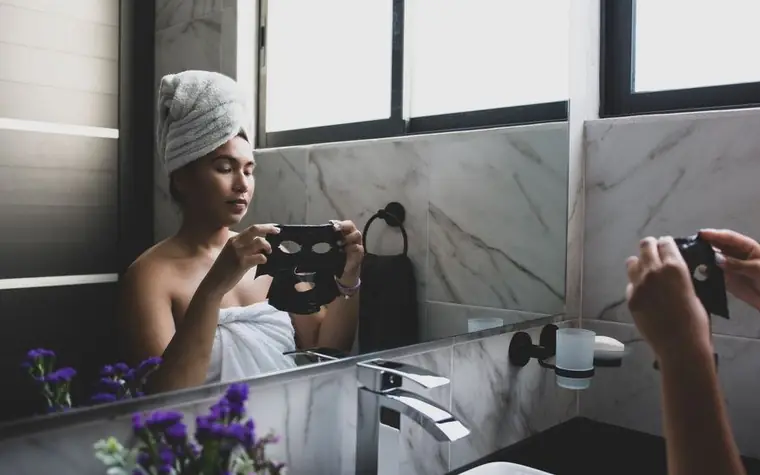
What "occlusion" is actually doing
The study that actually timed it
A 2024 trial in the Journal of Tissue Viability tested sheet masks at roughly 5, 15, 25, and 40 minutes, tracking hydration and water loss with corneometer and vapometer readings. The result wasn't a straight line: hydration rose early, leveled off, then dropped the longer the mask stayed on -- a biphasic curve, not "more time, more benefit."
Why the curve turns over
The fabric loses water to the air the whole time it's on the face. Early on it holds more water than skin does, so the gradient pushes moisture inward. Once enough evaporates off, the gradient flips -- the fabric goes drier than the skin beneath it, and water moves back out. Consumer articles call this "reverse osmosis," which isn't quite right; there's no membrane or solute gradient, just a reversed moisture gradient from evaporation. Either way, the result is net loss instead of net gain.
Where the redness comes from
That study linked wear past roughly 25 minutes to visible redness and dryness rather than added hydration -- consistent with older occlusion research, where too-high stratum corneum water for too long ties to barrier changes, not diminishing returns. The wear-time ceiling isn't a marketing line; it's where the mechanism that hydrates starts stressing the barrier instead.
The sheet isn't doing the work
The fabric is just delivery. The humectants soaked into it pull and hold water at the surface, and by the time a mask has sat for its window, most of that serum is already absorbed or evaporated. Longer wear doesn't add active ingredient -- it just extends occlusion past the point of reversal.
The step almost everyone skips
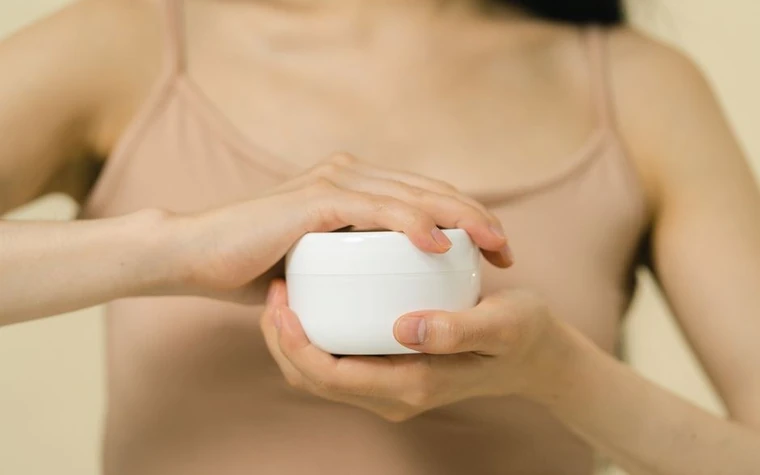
Because the boost is temporary, the minute after peeling the mask off matters more than most routines treat it. Skin fresh off a mask is at its most hydrated and most exposed to the same evaporation that just reversed on the fabric. A moisturizer right after -- the logic behind not leaving gaps between steps -- locks in the gain instead of letting it evaporate back out.
Bottom line
Sheet masks deliver a real hydration boost through occlusion, but it follows a curve, peaking around 15 to 25 minutes in the available data, then reversing if left on until dry. Remove it damp and seal with a moisturizer right after. As with any new mask or serum, patch test on a small area first, and see a board-certified dermatologist if redness or irritation persist.
All content is fact-checked under our editorial standards.