
Snail Mucin, Explained: The Filtrate Is a Mixture, and Isolated Glycolic Acid Was the Part That Failed on Its Own
Snail mucin has been a K-beauty shelf staple for over a decade, but "snail slime helps your skin" tells you almost nothing about what it's actually doing. The ingredient is a mixture of several distinct molecules -- not one active -- and each contributes a different function. Here's what's actually in the filtrate, and what the research does and doesn't support.
What's actually in the filtrate
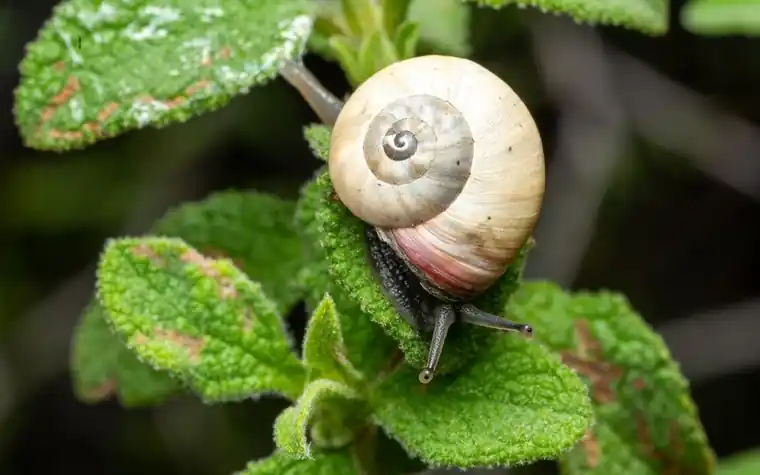
Snail secretion filtrate (the INCI name most brands list) is composed of glycoproteins, glycosaminoglycans (including hyaluronic acid), allantoin, glycolic acid, small amounts of collagen and elastin peptides, and antioxidant compounds. It's a mixture the snail produces for its own tissue repair and hydration -- moisturizing and protecting its body as it moves -- which is the biological basis for why it ended up in skincare rather than a manufactured design.
The humectant component: hyaluronic acid and glycosaminoglycans
The glycosaminoglycans in snail mucin, including hyaluronic acid, function as humectants -- they draw and hold water in the skin's surface layers, the same mechanism standalone hyaluronic acid uses in a serum. The difference is concentration and purity: an isolated HA serum lets a formulator dial in a specific molecular weight and percentage, while mucin's HA content is whatever the snail's secretion naturally contains, which varies by species, farming conditions, and extraction method.
The exfoliating and repair components: glycolic acid and allantoin
Glycolic acid, an alpha-hydroxy acid, is present in mucin at a much lower concentration than in a dedicated AHA exfoliant, but a 2023 study identified it alongside allantoin as a compound that helps support tissue restoration and new cell turnover. Allantoin itself is a well-established soothing and skin-conditioning agent used widely outside snail-derived products. One notable finding: research comparing snail slime to isolated glycolic acid found that glycolic acid alone showed cytotoxicity toward keratinocytes (skin cells) in testing, while the same acid within the whole mucin mixture was well tolerated -- suggesting the other components in the filtrate buffer or offset the acid's harshness rather than the acid acting alone.
What the clinical evidence actually shows
A 2020 split-face trial tested a cream containing 80% snail mucin, applied twice daily for four weeks, against an untreated control side. The treated side showed measurable improvements in dermal density, skin elasticity, and moisture retention compared to the untreated side. That's a meaningful data point, but it's one trial, at one specific concentration (80%), over one specific timeframe (four weeks) -- it doesn't establish what a 5% or 20% mucin product in a mixed formula will do, since most commercial products don't disclose their mucin percentage.
Why concentration disclosure matters here more than usual
Unlike a single-molecule active such as niacinamide, where a brand can print "10%" on the bottle with a clear meaning, snail mucin is a complex natural mixture whose composition already varies by source. A product listing "snail secretion filtrate" high on the ingredient list without a stated percentage gives you even less information than an unlisted percentage normally would, because you can't compare it to a standardized reference the way you could with a synthesized single-molecule ingredient. If a brand does publish a percentage (some Korean formulations advertise 90%+ mucin content), that's at least a data point worth comparing against the 80% figure used in the 2020 trial.
How it compares to other K-beauty "hero" actives
Mucin's appeal is that it bundles a humectant, a mild exfoliant, and a soothing agent into one animal-derived extract, which is different from how most K-beauty actives work. Fermented ingredients like galactomyces achieve a similarly broad effect through microbial breakdown of plant or yeast material rather than an animal secretion, and centella asiatica is a plant extract prized mainly for its soothing compounds. None of the three is a substitute for the others -- they overlap in "multi-benefit extract" positioning but come from entirely different sources and have different evidence bases behind them.
Sourcing, and where the evidence runs out
Most cosmetic-grade snail mucin today comes from farmed land snails (commonly Cryptomphalus aspersa or Helix aspersa) collected without harming the snail, using methods like a gentle massage or a mesh surface that stimulates natural secretion -- a meaningfully different process from the cruder extraction methods that drew criticism in the ingredient's early popularity, and worth checking for on a brand's page. On the evidence side, snail mucin research is still a small, developing body of literature compared to well-studied actives like retinol or niacinamide -- most available studies are small, industry-funded, or use formulations that aren't standardized across brands. It's reasonable to treat mucin as a supporting hydrating and soothing ingredient rather than a proven treatment for a specific skin concern, and it does not diagnose, treat, or prevent any skin condition.
Summary
1. It's a mixture, not one active -- glycoproteins, glycosaminoglycans (including HA), allantoin, and glycolic acid each do something different.
2. The whole mixture outperforms its parts -- isolated glycolic acid was cytotoxic to keratinocytes in testing; within mucin it was well tolerated.
3. The clinical evidence is real but narrow -- one 2020 trial used an 80% concentration over four weeks.
4. Concentration disclosure is rare -- most products don't state their mucin percentage, unlike single-molecule actives.
5. Sourcing method varies -- look for brands that disclose humane, non-harmful collection.
This article is for general information about cosmetic ingredient composition and research, and is not medical advice. It does not diagnose, treat, or prevent any skin condition. Always patch-test a new product on a small area first, and consult a dermatologist for persistent or worsening skin concerns.
All content is fact-checked under our editorial standards.