Propolis in K-Beauty, Explained: What the CAPE, Galangin, and 3% Wrinkle-Study Data Actually Show
Propolis is the resin bees make from tree sap to seal the hive -- and a heavily marketed K-beauty active, sold as "73% propolis" ampoules. Here's what the chemistry supports, and what that percentage doesn't tell you.
What Propolis Actually Is
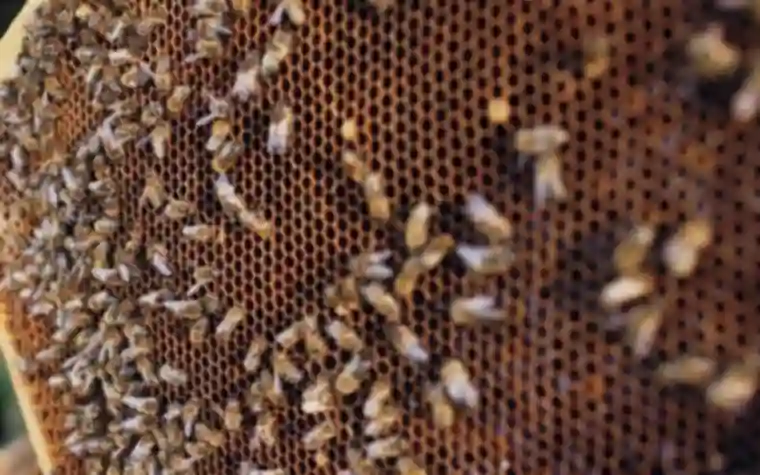
Bees mix tree resin with wax and their own enzymes to patch and disinfect the hive -- not honey, not beeswax. Its INCI name is "Propolis Extract," and composition varies by region, so studies rarely agree on one exact percentage.
The Compounds Doing the Work
Studies test the flavonoids inside propolis, not "propolis" as one substance. Caffeic acid phenethyl ester (CAPE) is the most-studied, at roughly 1.9% of an extract's dry weight in one analysis, with galangin and chrysin near 13% combined -- and CAPE alone outperformed galangin in antioxidant testing.
The Antioxidant Numbers
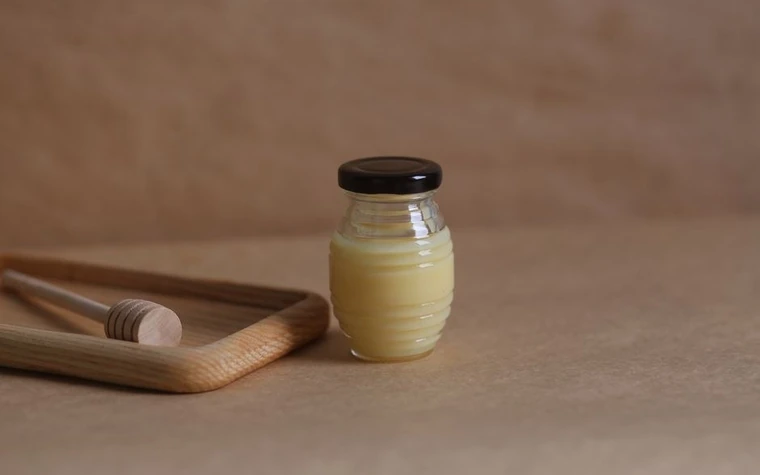
Red propolis extract scavenged radicals at IC50 values near 12-17 μg/mL (DPPH) and 4.7 μg/mL (ABTS) -- raw extract in a test tube, the same gap that applies to green tea's EGCG.
A 3% Extract and a 28-Day Study
A 2024 Journal of Cosmetic Dermatology study tested a standardized phenolic-acid extract (PAPE) at 3%, reporting wrinkle-depth reductions up to 34% after 28 days -- a real concentration tied to a measured outcome, not an undefined "propolis" percentage.
What the Label Percentage Means
Korean ampoules lead with a large number -- 73%, 83%, 92% -- meaning how much raw propolis tincture is in the formula. That's a dilution ratio, not CAPE or galangin content, the same gap as a fermented-filtrate label that never states its tested active content.
The Barrier Study Is a Cell Culture
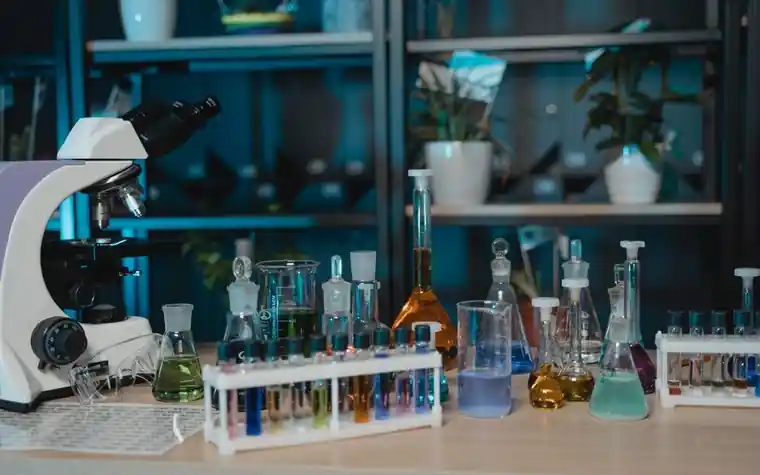
A green propolis extract with apigenin protected claudin-1, a tight-junction protein, from UVB damage in cultured keratinocytes -- a lab-dish result, unlike direct measurement of the ceramide-cholesterol-fatty acid matrix that structures the barrier.
Routine Fit, and Who Should Be Cautious
As an antioxidant, propolis layers under sunscreen alongside vitamin C, in the same category as ferulic acid rather than replacing it. It's a recognized contact allergen for people with bee-sting or honey sensitivities -- patch-test first.
Quick Recap
- Propolis is bee-modified tree resin; its actives are CAPE, galangin, and related phenolics.
- Antioxidant assays put extract IC50 in the single-digit to teens μg/mL range.
- The best anti-wrinkle data used a standardized 3% phenolic-acid extract over 28 days.
- A high "% propolis" label is a dilution ratio, not an active-compound concentration.
- Barrier data comes from cultured cells, not a facial trial.
Sources: 2024 Journal of Cosmetic Dermatology PAPE study; propolis CAPE/galangin analyses; DPPH/ABTS assays on red propolis extract; in vitro claudin-1/UVB keratinocyte study. Not medical advice. Patch-test any new product, and see a dermatologist about persistent irritation.
All content is fact-checked under our editorial standards.