
Green Tea (EGCG) in Skincare, Explained: What the Photoprotection and Antioxidant Studies Actually Show
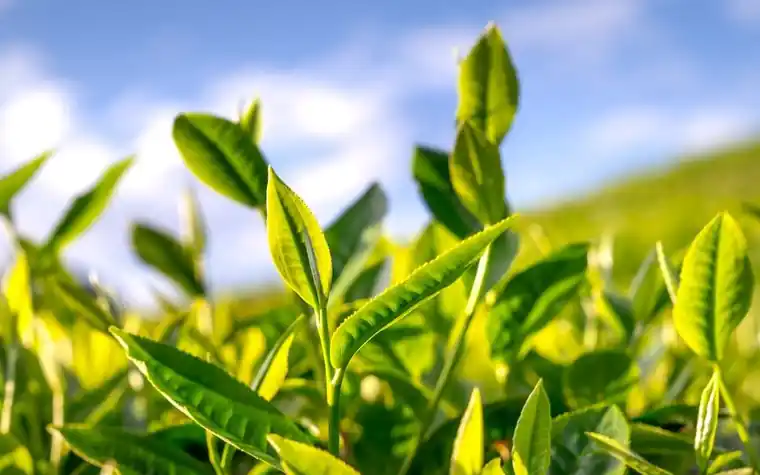
"Green tea extract" on an ingredient list is a mixture of polyphenols called catechins, and one of them does most of the work: epigallocatechin-3-gallate, or EGCG. EGCG makes up roughly 59% of the total catechin content in green tea, which is why formulators and researchers alike treat it as the ingredient's active marker rather than testing "green tea" as a vague whole. When a product says it's standardized to a certain EGCG percentage, that's the number doing the work behind whatever benefit is claimed -- a plain "green tea extract" listed low on the ingredient panel, with no percentage disclosed, tells you very little about dose.
What's Actually in the Bottle
The Antioxidant Mechanism
EGCG is a potent free radical scavenger, meaning it neutralizes the reactive oxygen species (ROS) that UV exposure and pollution generate in skin. Left unchecked, ROS trigger a cascade that activates matrix metalloproteinases (MMPs) -- enzymes that break down collagen -- which is one of the mechanistic links between oxidative stress and visible skin aging over time. Topical EGCG has also been shown to increase expression of genes tied to skin hydration, including filaggrin, transglutaminase, and hyaluronic acid synthase, which is a separate benefit from the antioxidant effect and part of why green tea shows up in barrier-support formulas as well as anti-aging ones.
The Photoprotection Data — What "Skin Photoprotection by Green Tea" Actually Found
A frequently cited study on green tea and skin photoprotection found that topical EGCG application reduced UVB-induced erythema (redness), oxidative stress markers, and infiltration of inflammatory cells into UV-exposed skin. The important nuance is what that word "photoprotection" means here: EGCG is not a UV filter and does not absorb or block UV radiation the way zinc oxide or an organic filter does. What it does is reduce the downstream inflammatory and oxidative damage that occurs after UV exposure reaches the skin -- an adjunct antioxidant effect, not a substitute for sunscreen's actual filtering job.
What Concentration Actually Shows Up in Products
One detail that rarely makes it into marketing copy: research on cosmetically practical formulations has found that even relatively low concentrations of green tea extract -- providing around 0.2% total polyphenols -- are sufficient to produce a measurable photoprotective antioxidant effect. That's a meaningfully lower bar than potent actives like retinol or the acids, where efficacy is tightly concentration-dependent within a narrow window. It also means a green tea serum doesn't need to advertise an unusually high percentage to plausibly be doing something -- but it also means you generally can't verify the actual percentage from the label alone, since "green tea extract" doesn't require disclosure the way some regulated actives do.
Brewing Temperature Is a Lab Detail, Not a Skincare Instruction
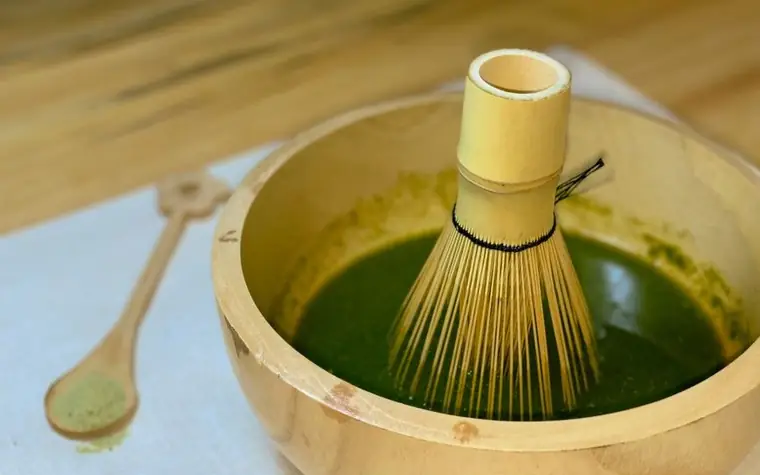
Extraction studies looking at how brewing temperature affects catechin yield have found that hotter water — up to full boiling — extracts more total EGCG than lower temperatures, though the antioxidant potency per gram can vary by extraction method. This is genuinely useful information for a lab formulating a green tea extract, but it has nothing to do with drinking green tea or making a DIY toner at home; a serum's EGCG content is fixed at the point of manufacture; how you store or apply a finished product afterward doesn't meaningfully change its catechin content the way brewing conditions do at the extraction stage.
Stability Is the Real Formulation Challenge
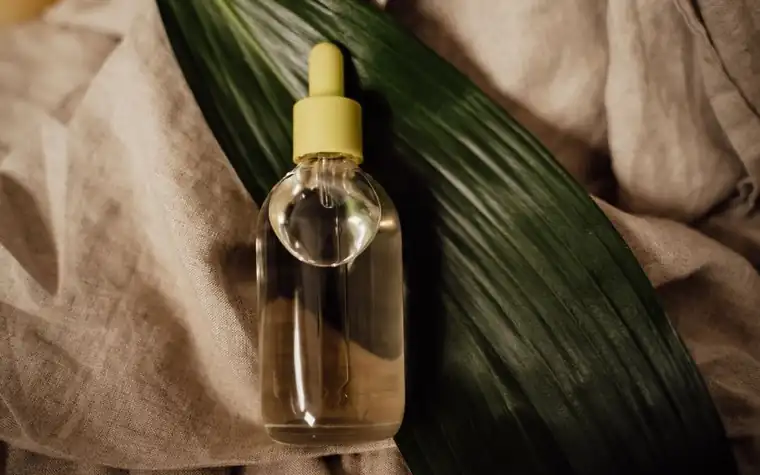
Like many polyphenols, EGCG oxidizes and degrades on exposure to light, heat, and air, which is why green tea serums are more often packaged in opaque or airless pump bottles than in clear jars. A product that arrives in a clear glass jar and sits on a sunlit bathroom shelf for months is losing potency well before the "period after opening" date on the label. This is the same stability logic that applies to vitamin C, and it's worth checking whether a green tea product's packaging actually protects the extract, rather than assuming the ingredient list alone guarantees the antioxidant effect survives to the point of use.
Where It Fits in a Routine
Green tea/EGCG products are typically formulated as serums or lightweight essences applied after cleansing and before moisturizer, similar to where other antioxidant-forward K-beauty extracts like mugwort are positioned. Because its role is antioxidant support rather than active UV filtering, it belongs alongside -- not instead of -- a mineral or chemical sunscreen; pairing it with proper sunscreen applied at the studied 2 mg/cm² dose addresses both the UV-blocking and the post-exposure oxidative stress sides of sun damage. If you're comparing UV filter types themselves, zinc oxide vs. modern organic filters covers that separate decision.
Bottom Line
EGCG is the specific green tea polyphenol behind the ingredient's antioxidant and anti-inflammatory reputation, with trial evidence for reducing UVB-induced redness and oxidative stress at concentrations as low as roughly 0.2% total polyphenols. It is a photoprotection adjunct, not a sunscreen replacement, and its main formulation vulnerability is oxidative degradation in poor packaging rather than any issue with the molecule's activity itself. As with any antioxidant serum, patch test before adding it to a full routine, and see a board-certified dermatologist for diagnosis or treatment of any ongoing skin condition rather than relying on ingredient research alone.
All content is fact-checked under our editorial standards.