
Galactomyces Ferment Filtrate, Explained: Why This Ingredient Has No Percentage on the Label -- and What SK-II's Pitera Actually Is
Every ingredient this site has covered so far has a number attached to it -- niacinamide at 2% to 10%, retinol capped near 0.3%, azelaic acid splitting cosmetic from prescription at a specific concentration line. Galactomyces ferment filtrate breaks that pattern entirely. You will not find a meaningful percentage on the label, because it isn't one molecule to measure -- it's a fermentation byproduct, and what's actually inside varies by manufacturer, yeast strain, and process in a way a synthesized active never does.
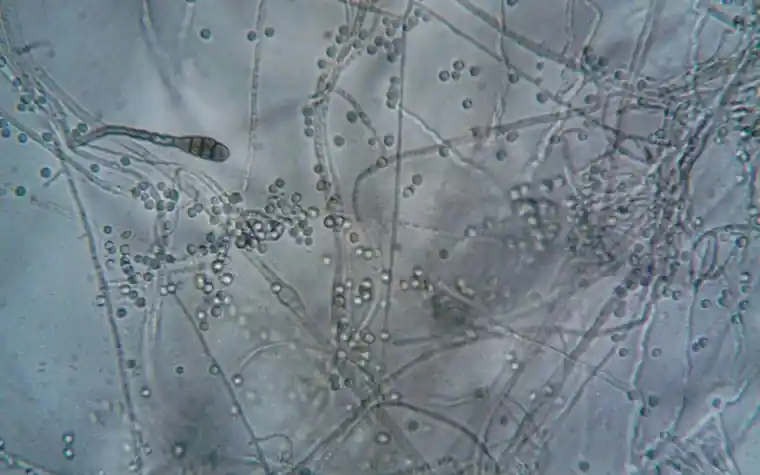
What it actually is
Galactomyces ferment filtrate (INCI: Galactomyces Ferment Filtrate) is the liquid left over after fermenting a growth medium with yeast from the genus Galactomyces, then filtering out the yeast cells themselves. The concept entered mainstream skincare through SK-II's proprietary version, trademarked as Pitera, which the brand has described as containing more than 50 identified micronutrients -- vitamins, amino acids, minerals, and organic acids -- generated as metabolic byproducts of the fermentation itself rather than added afterward by a formulator. That distinction matters for everything that follows: a formulator choosing "5% niacinamide" is adding a known compound at a known dose; a formulator choosing "galactomyces ferment filtrate" is adding a mixture whose exact composition depends on how the fermentation was run.
Why you'll never see a meaningful percentage on the label
INCI naming lists galactomyces ferment filtrate as a single ingredient, the same way it lists water or glycerin, but unlike a single molecule, the filtrate is a complex mixture that isn't standardized between suppliers. Two products can both list "10% galactomyces ferment filtrate" and contain meaningfully different chemistry, because the underlying fermentation batch -- yeast strain, growth medium, fermentation time and temperature -- was never the same to begin with. That's a different situation from an ingredient like niacinamide, where 5% from one brand is chemically identical to 5% from another. A percentage on a galactomyces product tells you how much of the filtrate was used, but not what was actually in it.
What's actually in the filtrate
Published characterizations of galactomyces ferment filtrate describe a mix of amino acids, small peptides, B vitamins -- including naturally occurring niacinamide -- organic acids such as lactic acid, minerals, and antioxidant compounds, all generated as metabolites during fermentation rather than added as isolated ingredients. The niacinamide content is a frequently cited example: a galactomyces filtrate genuinely contains niacinamide, which is part of why fermented essences are often marketed for brightening and barrier support. But the amount present is a byproduct of fermentation chemistry, not a formulated dose -- it isn't comparable to a serum built around 5% niacinamide as its primary active, and there's no reliable way to know the niacinamide concentration from the ingredient list alone.

The mechanism the research actually points to
Beyond the individual micronutrients, in-vitro research on Pitera specifically has looked at how the filtrate interacts with keratinocytes -- the predominant cell type in the skin's outer layer. That research describes galactomyces ferment filtrate binding and activating the aryl hydrocarbon receptor (AHR) in these cells, and activated AHR is reported to switch on filaggrin production. Filaggrin is the protein that gets broken down into the skin's natural moisturizing factor (NMF) and helps build the structure of the stratum corneum -- which is the mechanistic basis for galactomyces products being marketed around hydration and barrier support rather than a specific active like brightening or exfoliation. Separately, manufacturer-funded in-vitro work has also reported antioxidant effects and increased hyaluronan production in epidermal cells treated with Pitera. Because this research is largely manufacturer-sponsored in-vitro work rather than independent, controlled clinical trials on human skin, it should be read as a plausible mechanism rather than settled clinical proof.
Pitera and "galactomyces ferment filtrate" are not interchangeable claims
SK-II markets Pitera as a proprietary fermentation process developed from decades of refinement, and the brand does not disclose the specific strain or process parameters. Any other product listing "galactomyces ferment filtrate" on its INCI is using the same generic ingredient category, but not necessarily anything resembling SK-II's specific fermentation. That doesn't make a generic version worthless -- fermentation filtrates broadly share the amino-acid, organic-acid, and micronutrient profile described above -- but it does mean a budget essence claiming "the same ingredient as Pitera" is making a claim the INCI name alone can't support. There's no shared industry standard specifying what a galactomyces fermentation has to contain to earn the name.
Where this fits next to other "natural-sounding" ingredients
Galactomyces ferment filtrate belongs to a broader category of skincare ingredients marketed on their biological origin story rather than a single measurable active -- the same pattern seen in snail mucin, another secretion-derived ingredient whose real benefit comes down to specific components like glycoproteins and allantoin rather than the "snail" framing itself. In both cases, the actual chemistry is more specific and more variable than the marketing story, and reading the mechanism -- filaggrin activation here, specific glycoprotein content there -- tells you more than the ingredient's origin does.

Fermentation and the barrier -- and where it can go wrong
The filaggrin-linked mechanism above connects to the skin barrier the same way the lipid structure covered in this site's guide to ceramides and the 3:1:1 ratio does, though through a different pathway -- ceramides supply the barrier's physical lipid matrix directly, while galactomyces filtrate is reported to upregulate the skin's own NMF production instead. Neither replaces the other, and a formula pairing a fermented essence with a ceramide moisturizer is targeting two different parts of the same barrier function rather than duplicating one. What fermentation doesn't automatically deliver is safety: fermentation byproducts and yeast-derived proteins are a recognized, if uncommon, source of contact sensitization, and "fermented" or "naturally derived" is not the same claim as "low allergen risk."
Bottom line
Galactomyces ferment filtrate is a legitimate, mechanistically plausible ingredient -- the filaggrin and hyaluronan research gives it a real basis for hydration and barrier claims -- but it's fundamentally different from the concentration-driven actives this site usually covers. There's no percentage that tells you its strength, no shared standard behind the INCI name, and no way to know from a label whether a given "galactomyces ferment filtrate" resembles SK-II's Pitera or a much simpler generic ferment. This article explains ingredient mechanisms and does not diagnose or treat any skin condition; patch-test any new fermented-ingredient product on a small area first, since fermentation byproducts can trigger sensitivity in some people, and consult a dermatologist about persistent skin concerns.
All content is fact-checked under our editorial standards.