
Why Toner Comes Before Essence: What Each K-Beauty Routine Step Actually Does
Ask five people why toner comes before essence in a K-beauty routine and you'll get five different answers -- "it preps the skin," "it balances pH," "it just does." The honest answer is a combination of texture, pH, and what each product is actually formulated to deliver, and understanding that order helps explain why skipping a step changes how the rest of the routine performs.
The general layering rule: thinnest to thickest
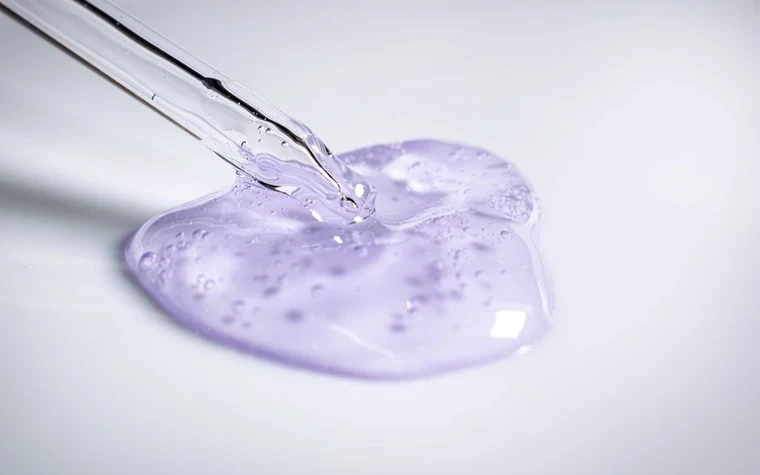
Korean routines are built on a simple physical principle: apply products from the lowest viscosity to the highest. A watery toner goes on before a slightly thicker essence, which goes on before a denser serum, before a cream. Layering a thick product first creates a barrier that a thinner, lighter product applied afterward struggles to penetrate. This isn't specific to Korean skincare -- it's how any multi-step routine in any category should be ordered -- but K-beauty routines simply have more steps, so the rule matters more visibly.
What toner is actually doing
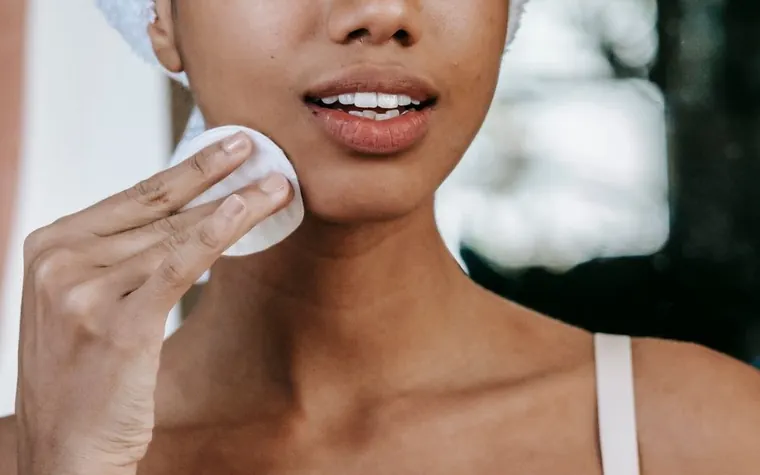
Cleansers, especially foaming and gel formulas, tend to shift skin's surface pH upward from its naturally slightly acidic resting state. A toner's main job is to help bring that surface pH back down and remove any last trace of cleanser residue or hard-water mineral deposits left on the skin. Toner formulas are typically water-based with a very low viscosity, which is precisely why they're applied first -- a thin liquid spreads evenly across freshly cleansed skin and doesn't need to compete with anything already sitting on top of it.
What essence is actually doing
Essence sits in a middle ground between toner and serum -- water-based but usually with a higher concentration of humectants (commonly glycerin or hyaluronic acid derivatives) and sometimes fermented ingredients. Where toner's job is largely preparatory, essence is formulated to deliver a hydration and conditioning payload the skin can absorb more readily once its surface pH and residue have already been addressed by the toner step -- often leaning on the same humectant ingredients that do the heavy lifting in a moisturizer, just at a lighter, more spreadable concentration. That's the functional distinction: toner preps, essence treats.
Does skin actually "absorb better" after toner -- or is that a claim?
This is where routine marketing gets ahead of the evidence. The idea that toned skin "absorbs" a following product better is a widely repeated claim, but the underlying mechanism worth trusting is narrower and more mechanical: a slightly acidic, residue-free surface is a more consistent starting point for whatever comes next, and a thin liquid genuinely does spread more evenly on unobstructed skin than on top of a thicker layer. Whether that translates into meaningfully deeper "penetration" of actives is a separate, harder-to-measure claim that varies by ingredient and formula -- it's reasonable to treat toner as good practice for consistency, not as a guaranteed absorption multiplier.
What happens if you skip toner and go straight to essence
Skipping toner doesn't damage skin, but it does change what the essence is working with. Essence applied directly onto a higher-pH, residue-covered surface is starting from a less consistent baseline than essence applied after a toning step. For most people with typical, non-reactive skin, the practical difference is small. It becomes more noticeable for anyone using pH-dependent actives later in the routine, like the AHA exfoliants or BHA products that depend on the skin's surface chemistry to work as intended -- pH consistency earlier in the routine matters more when a later step is itself pH-sensitive.
When the order should change
Not every toner is a light, prep-only liquid -- some "toners" marketed today are closer to a light essence or even contain active exfoliants (AHA/BHA toners), in which case they function as a treatment step rather than a prep step and may need to move later in the routine or be used on alternating days rather than daily. Reading the ingredient list matters more than trusting the product category name on the label; a toner with 5-7% glycolic acid is doing a very different job than a toner that's mostly water and glycerin, even though both are called "toner."
Building the order around your actual products
The safest approach is to check each product's texture and function rather than assuming the category label tells the whole story. A practical routine order stays: cleanser, toner (thin, prep-focused), essence (slightly thicker, hydration-focused), serum (concentrated actives), moisturizer, then sunscreen in the morning. If a product doesn't clearly fit "thin and preparatory" or "concentrated treatment," patting it on and checking how it feels against the next layer is a reasonable practical test -- if it beads up or pills instead of absorbing, it may be out of order.
FAQ
Can I use essence without toner? Yes -- skin won't be harmed, but you lose the pH-balancing and residue-clearing step that gives the following layers a more consistent surface to work with.
Is essence just a diluted serum? Not quite -- essence is generally more hydration-focused and lower in active concentration than a serum, even though both are water-based and applied in a similar order.
This explains general skincare routine mechanics, not medical advice. Individual skin tolerance varies -- patch-test any new product before adding it to your routine, and see a dermatologist for persistent irritation or skin concerns.
All content is fact-checked under our editorial standards.