
Propolis Extract, Explained: A Variable Bee Resin, and What Patch-Test Studies Say About Sensitization
Propolis is the amber-brown resin that shows up in ampoules, creams, and lip balms across Korean skincare, usually marketed as a natural, nourishing extract. The label word is simple, but the material behind it is not: it is a variable mix of plant resin and beeswax, and it has a documented record as a contact allergen. Here is what it is, what the label can and cannot tell you, and what dermatology research says about sensitization.
What propolis actually is
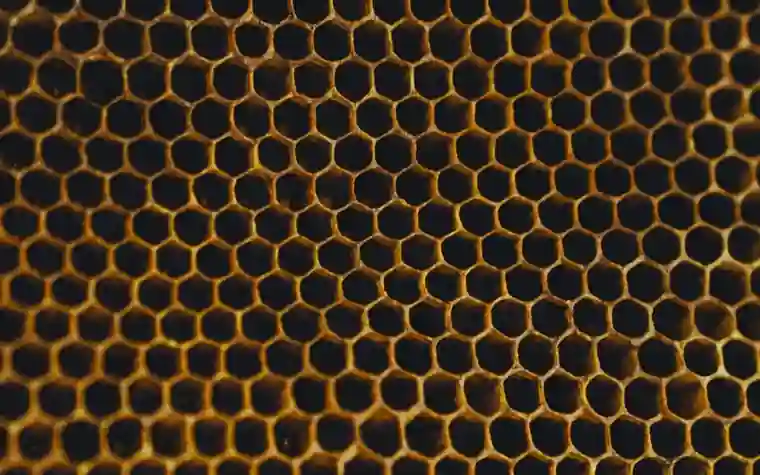
Bees collect resin from tree buds and other plant sources, mix it with wax and their own secretions, and use it to seal gaps in the hive. Published descriptions put the typical raw composition at roughly half resin, about a third wax, a small share of volatile oils, and some pollen. The resin fraction is where the interesting chemistry sits: phenolic acids, flavonoids such as chrysin, galangin, and pinocembrin, and esters of caffeic acid.
Why one jar is not the same as another
In North America, Europe, and temperate Asia, bees mostly work poplar buds, so poplar-type propolis is the common kind. Tropical propolis comes from other plants and has a different profile. Season, location, and extraction solvent all shift the mix further. That is why "propolis extract" on a label describes a category, not a defined molecule with a standard concentration. Our Galactomyces ferment filtrate guide covers the same issue for another variable-composition K-beauty ingredient.
What the INCI name tells you
In the EU's CosIng database, propolis extract is listed with a skin-conditioning function. Propolis wax is a separate entry. The ingredient list shows the name and the position in the list, which reflects relative amount above 1%. It does not show the percentage, the plant source, or which compounds the extract was standardized to. Some brands print a percentage on the box, but that figure counts the extract, not an active compound.
The part the marketing skips: contact allergy
Propolis is a well-documented cause of allergic contact dermatitis. Among the compounds in it, esters of caffeic acid are considered the main sensitizers. Dermatology researchers described propolis in topical remedies and cosmetics as a known cause of contact allergy among consumers, and it was added to the European baseline patch-test series in 2019.
What the patch-test numbers show
A 2020 study in Western Sweden patch tested 722 consecutive dermatitis patients with 10% propolis in petrolatum from four geographic origins. Positive reactions appeared in 45 of them, or 6.2%. A 2021 study of 1,470 patients in Denmark, Lithuania, and Spain found positive reactions ranging from 1.3% to 5.8% depending on the country. Both cohorts were people already referred for dermatitis, so the figures do not describe the general population. They do show that the reaction is not rare in that group.
One finding is especially relevant to how the ingredient behaves: testing with a single commercial type of propolis detected only about half of the propolis-allergic patients. The composition differences described above are not only a labeling issue, they affect who reacts.
Reading the label if you have reacted before
The same group of researchers noted frequent co-reactions with other plant and fragrance substances in the baseline series, such as balsam of Peru and colophonium. If you have had a reaction to a lip balm, a wax-based product, or a fragrance, treat propolis as a name to look up on any ingredient list, along with "propolis wax" and "bee glue." Our guide to the EU's expanded fragrance allergen list explains a related labeling rule for fragrance ingredients.
Irritant or allergic: why the difference matters
A first-time sting after applying a product can be irritation, which depends on the formula and the state of your barrier. An allergy is an immune response that can show up a day or more later and tends to recur with every exposure. Our irritant versus allergic contact dermatitis explainer covers how those two differ and why patch testing is the tool that separates them.
A practical way to approach it
If you want to try a propolis product, test it first on a small area. The method, timing, and the reason a 48-hour check matters are in our patch testing guide. Check the full ingredient list instead of the front of the box, since propolis may sit alongside other plant extracts. Stop using it if you see redness, itching, or swelling.
This article summarizes published research and regulatory listings and is not medical advice. Patch test any new product first, and see a dermatologist about a skin reaction, or if you have a known allergy to bee products, balsams, or fragrance.
All content is fact-checked under our editorial standards.