
Mugwort (Artemisia) in K-Beauty: What the Anti-Inflammatory Claims Are Actually Based On
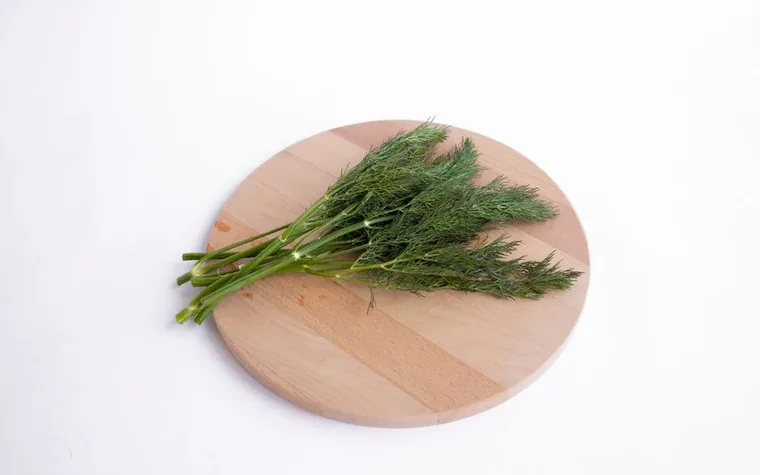
Mugwort in K-beauty almost always means one of a few related plants in the Artemisia genus -- most often Artemisia princeps (Japanese mugwort) or Artemisia annua (sweet wormwood), sometimes labeled simply as "ssuk" (쑥), the Korean word for mugwort. These are not interchangeable botanically, and a product's ingredient list rarely specifies which species was used, let alone how the extract was processed -- water extraction, ethanol extraction, and fermentation all pull out a different mix of compounds from the same leaf.
What "mugwort" actually refers to on a label
The research behind the "calming" reputation
The marketing claim you'll see most is that mugwort "calms" or "soothes" skin. The actual cell-based research is more specific than that. A 2017 study on Artemisia princeps extract found it upregulated antioxidant enzymes in human keratinocytes and increased expression of filaggrin and loricrin -- two structural proteins that make up part of the skin barrier -- through a signaling pathway called AHR/OVOL1. Separately, extracts from several Artemisia species have measured antioxidant and anti-inflammatory activity in lab assays. That's real, published evidence for specific mechanisms -- but it's cell-culture and assay-level data, not proof that a specific finished serum on a shelf reproduces the same effect on your face.
Why the gap between "studied" and "your bottle" is so wide
None of the studies above tested a retail cosmetic formula -- they tested a specific extract at a specific concentration, usually prepared in a lab. A finished product's ingredient list won't tell you the extraction method, the concentration of active compounds, or whether the formula matches what was studied. Two products both listing "Artemisia princeps leaf extract" third from the top can deliver meaningfully different amounts of the compounds the research actually measured. This is the same gap that shows up with Centella Asiatica marketing -- "cica" on a label tells you almost nothing about dose, and the same caution applies to panthenol's barrier-repair claims, where the concentration studied rarely matches what's disclosed on a retail label.
What the redness and sensitive-skin studies do and don't show
A separate line of research has tested cosmetics containing Artemisia annua on people with sensitive skin, reporting improvements in hydration and visible redness over a period of use. That's a step closer to real-world relevance than a petri-dish study, but it's still a small, formula-specific trial -- not evidence that mugwort treats a diagnosed skin condition. If persistent redness, flaking, or a condition like eczema or rosacea is what's prompting the search for a "calming" ingredient, that's a reason to see a dermatologist for a diagnosis, not a reason to reach for a mugwort serum as a substitute -- the same line we'd draw for ceramide-based barrier repair claims.
What mugwort is not a substitute for
Because mugwort extracts show antioxidant and barrier-protein activity in lab studies, it's easy to see how marketing stretches that into "heals" or "treats" language. Cosmetic ingredients in a leave-on serum are not held to the same evidence standard as a prescribed treatment, and none of the research above was designed to test treatment of a medical skin condition. If a product's claims start to sound like a diagnosis or a cure, that's marketing language outrunning the underlying data, not a reason to delay seeing a professional about a persistent skin problem.
How to read a mugwort product label more skeptically
Look for where the extract sits in the ingredient list -- further down generally means a lower concentration, regardless of how prominently "mugwort" appears on the front of the package. A product that also lists a fermentation process ("Artemisia princeps leaf water" derived through fermentation, for instance) is drawing on a different processing tradition than a simple water extract, and the research on fermented versus non-fermented botanical extracts generally isn't the same body of evidence -- treat the two as different ingredients even when the plant name on the label is identical.
Where this leaves you
Mugwort extracts have real, published support for antioxidant activity and for increasing two specific barrier proteins in lab settings, plus at least one small human trial on sensitive skin. That's a genuinely more substantiated starting point than many trend ingredients get. It is not, however, equivalent to clinical-grade evidence for treating redness, eczema, or any diagnosed skin condition, and the concentration and processing behind any given bottle is rarely disclosed. Patch test any new mugwort-containing product on a small area of skin for a few days before applying it to your face, and see a board-certified dermatologist for any persistent redness, irritation, or skin concern rather than relying on a cosmetic ingredient to resolve it.
All content is fact-checked under our editorial standards.