
Licorice Root Extract, Explained: Why Glabridin and Licochalcone A Are Not the Same Ingredient
"Licorice root extract" shows up on an enormous number of brightening serums, but the ingredient list rarely tells you which of licorice's active compounds you're actually getting. Glabridin, liquiritin, and licochalcone A are three different molecules from two different licorice species, and they don't do the same thing -- one is studied mainly for pigmentation, the other mainly for redness.
One plant name, several different compounds
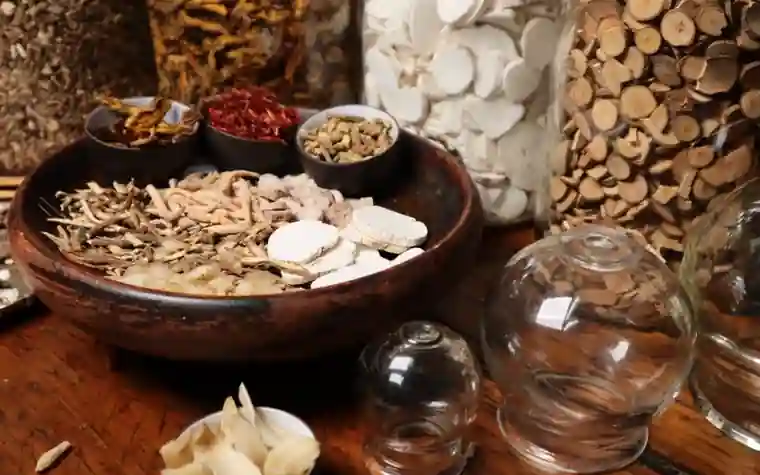
"Licorice" in skincare can come from at least three related species -- Glycyrrhiza glabra (the common European/Mediterranean licorice), G. uralensis (used in traditional Chinese medicine), and G. inflata. Each species produces a different mix of active compounds, and cosmetic labels almost never specify which one was used. That matters because the compound cosmetic chemists actually care about most, licochalcone A, is sourced specifically from G. inflata -- not from the G. glabra extract that shows up in most generic "licorice root extract" listings.
Glabridin: the pigmentation compound, and why concentration is the catch
Glabridin is an isoflavan found in G. glabra root, and it's the compound most associated with licorice's reputation as a brightening ingredient. The problem is dose: published analyses put glabridin at only about 0.1%-0.3% of the dry extract by weight. A product listing "Glycyrrhiza Glabra Root Extract" partway down the ingredient list is telling you almost nothing about how much actual glabridin ends up on your skin, since a crude, unstandardized extract can vary enormously in glabridin content batch to batch. This is the same standardization problem that shows up across plant-derived actives -- the plant name on the label and the effective dose of its active compound are two different questions.
What the tyrosinase inhibition data actually shows
Research on licorice root's depigmenting compounds has focused on their ability to inhibit tyrosinase, the enzyme melanocytes use to produce melanin. A widely cited study isolated glabrene and isoliquiritigenin from licorice root and measured their effect on tyrosinase activity directly: both compounds inhibited the enzyme in a dose-dependent way, with IC50 values of 3.5 µM (glabrene) and 8.1 µM (isoliquiritigenin) using tyrosine as the substrate, and the degree of tyrosinase inhibition correlated with reduced melanin formation in cultured melanocytes. Separately, glabridin itself has been described as binding the active site of tyrosinase, with inhibition rates reported in the 50%-80% range in standardized lab assays. These are enzyme-level and cell-culture findings, not claims about what a finished serum does on human skin over time -- the gap between "inhibits an enzyme in a dish" and "visibly brightens your face" is exactly where a lot of marketing copy overstates what the ingredient data supports.
Licochalcone A: a different molecule for a different job
Licochalcone A, extracted from G. inflata rather than the more common G. glabra, is studied primarily for calming visible redness and irritation rather than for pigmentation. This is why you'll see it named specifically -- often just as "Licochalcone A" rather than generic "licorice root extract" -- in formulas marketed toward reactive or redness-prone skin, frequently alongside other barrier-focused ingredients. If a product's marketing is about brightening, it's likely leaning on glabridin-type compounds from G. glabra; if it's about calming redness, licochalcone A from G. inflata is the more relevant compound, and the two shouldn't be assumed interchangeable just because both trace back to "licorice."
Liquiritin: the third compound, less studied on its own
Liquiritin is a flavonoid glycoside also present in licorice root and is sometimes included in the same "brightening trio" alongside glabridin and licochalcone A in ingredient marketing. It has less independent clinical data behind it compared to glabridin's tyrosinase-inhibition studies, and it's more often cited as a supporting antioxidant compound within a broader licorice extract than marketed as a standalone active. Treat claims built entirely around liquiritin with more skepticism than claims built around glabridin, simply because there's less published mechanistic data isolating its individual effect.
How this compares to other pigmentation ingredients
Licorice-derived compounds work through the same general target -- tyrosinase -- as other pigmentation ingredients like alpha arbutin, tranexamic acid, and vitamin C, and it's worth knowing that niacinamide targets pigmentation through a completely different pathway (blocking melanosome transfer rather than inhibiting tyrosinase itself). None of these ingredients replace each other one-to-one, and formulas that combine several actives are betting on overlapping-but-different mechanisms rather than one ingredient simply doing more of the same thing. If the concern is brown post-breakout marks specifically, that context matters too, since PIH responds to pigmentation-focused ingredients in a way that red PIE marks do not.
What to actually look for on a label
Since "licorice root extract" alone tells you very little, look for products that name the specific compound (glabridin or licochalcone A) rather than just the plant, or that disclose a standardized extract percentage rather than listing "licorice root extract" as a vague, unstandardized ingredient. A product that only lists "Glycyrrhiza Glabra Root Extract" far down a long ingredient list, with no compound or concentration disclosed, is a weaker bet for a targeted pigmentation or redness effect than one that names glabridin or licochalcone A specifically.
Bottom line
1. "Licorice extract" can mean at least three different species with different active compounds -- the plant name alone doesn't tell you what you're getting.
2. Glabridin is the main pigmentation-focused compound, but it's only about 0.1%-0.3% of dry extract, so unstandardized extracts vary widely in how much you actually get.
3. Tyrosinase inhibition data (IC50 3.5-8.1 µM for related compounds, 50%-80% inhibition for glabridin) is enzyme- and cell-level evidence, not a guarantee of visible brightening from a specific serum.
4. Licochalcone A, from a different licorice species, targets redness and irritation, not pigmentation -- don't assume it does what glabridin does.
5. Look for the specific compound name or a standardized extract percentage on the label rather than relying on "licorice root extract" alone.
This article explains ingredient chemistry and published research and is not a treatment recommendation for any skin condition. Patch-test new products before regular use, and consult a dermatologist for persistent pigmentation, redness, or another diagnosed skin condition.
All content is fact-checked under our editorial standards.