
Lanolin, Explained: What the FDA's 12.5 to 50 Percent Skin Protectant Range Covers, Which Label Names Hide It, and What Patch-Test Data Show
Lanolin is one of the oldest moisturizer ingredients still on labels, and one of the few with both a federal concentration range and its own allergy literature. The FDA lists it as a skin protectant, while contact-dermatitis clinics list it as a recognized allergen. This guide covers what lanolin is, what the FDA range covers, and what patch-test studies found.

What lanolin is
Lanolin is a wax secreted by the sebaceous glands of wool-bearing sheep and recovered from the fleece. DermNet NZ describes it as a complex mixture of high-molecular-weight esters (more than 80 percent), plus aliphatic alcohols, fatty acids, sterols and hydrocarbons. It works as a soft, sticky occlusive rather than a water-binding humectant.
The many names on a label
DermNet NZ lists these alternative names: adeps lanae anhydrous, alcohols lanae, amerchol, anhydrous lanolin, wool alcohols, wool fat, wool grease and wool wax. Searching a list only for the word lanolin can miss several of them. Derivatives such as hydrogenated lanolin are separate ingredients, so read the whole list.
What the FDA range covers
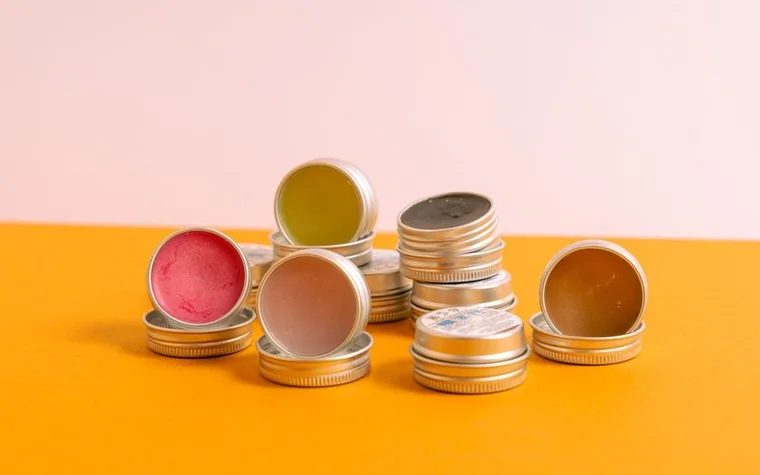
Under 21 CFR 347.10, the skin protectant monograph lists lanolin at 12.5 to 50 percent. The same section lists petrolatum at 30 to 100 percent, cocoa butter at 50 to 100 percent and allantoin at 0.5 to 2 percent; see our guides to petrolatum and mineral oil and to allantoin. The range applies to over-the-counter skin protectant drugs. A cosmetic containing lanolin does not have to fall inside it, and cosmetic labels do not state percentages.
What the allergy data show
DermNet NZ names the free alcohols in lanolin as the main sensitisers. It reports positive patch-test rates of 1.7 to 3.3 percent among people tested for dermatitis, and estimates general-population contact allergy at under 0.5 percent. Those groups differ: people who get patch tested already have a skin problem, so the clinic figure is not the risk for everyone. It also notes that broken skin, and leg ulcers in particular, raise the chance of sensitization.
What the North American group found
A 2022 paper in Dermatitis covered 43,691 people patch tested by the North American Contact Dermatitis Group from 2001 to 2018. Of them, 3.3 percent reacted to lanolin, and 2.8 percent had reactions judged currently relevant. The rate rose to 4.63 percent in 2011 to 2018. Most reactions were mild, 6 percent were strong (+++), and children reacted more often (4.5 percent) than adults (3.2 percent). The reactions were linked mainly to personal care products and medications. The American Contact Dermatitis Society named lanolin its 2023 Allergen of the Year.
How the clinic test differs from yours
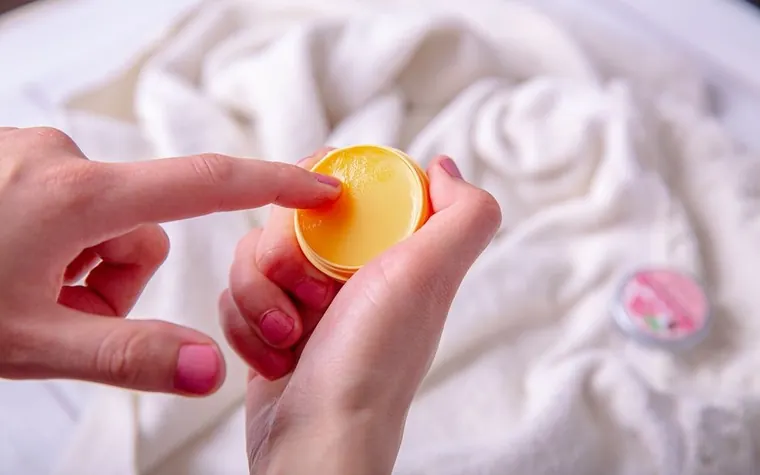
Clinics typically test 30 percent lanolin alcohols in petrolatum, 50 percent Amerchol L101 in petrolatum, or the person's own products, and a professional reads the result. A home test is cruder but still catches an obvious reaction early; use our patch-test method and wait the full period before putting a lanolin product on the face.
Short version
Lanolin is a sheep-derived wax with an FDA range of 12.5 to 50 percent for skin protectant drugs and a documented place on contact-allergy panels. If a product ever caused a reaction, compare its list against the names above and read about irritant versus allergic contact dermatitis, since fragrance or preservatives may be the cause. This article is educational, not medical advice: patch-test any new product on a small area first, and consult a dermatologist about persistent skin problems or a suspected allergy.
All content is fact-checked under our editorial standards.