
Allantoin, Explained: The FDA's 0.5%-2% Skin Protectant Range, and What It Actually Soothes
Allantoin shows up in soothing creams, after-sun gels, and "for sensitive skin" labels so often that it reads as filler. It isn't. In the U.S., allantoin is one of the few skincare-adjacent ingredients with an actual regulatory concentration range: the FDA's OTC Skin Protectant Monograph lists it as an approved active at 0.5% to 2% for products marketed to relieve minor skin irritation. That range exists because allantoin has to demonstrate it does something measurable at those doses to qualify as an OTC drug ingredient, not just a cosmetic additive.
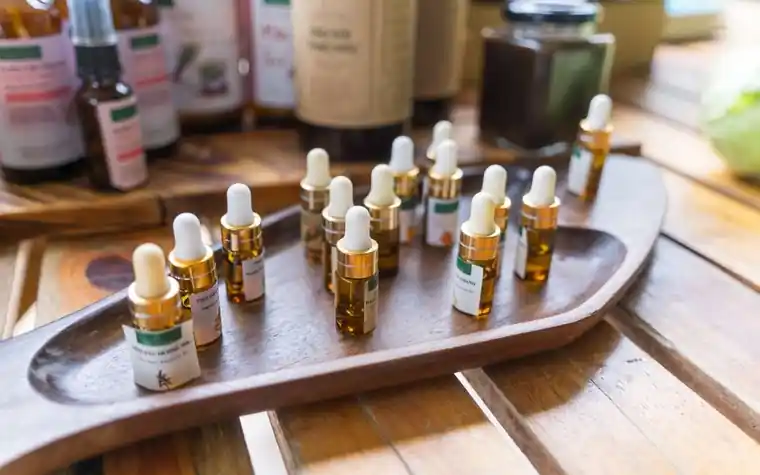
A comfrey extract that became a regulated drug ingredient
What "skin protectant" means in FDA terms
The monograph category covers ingredients that temporarily protect injured or exposed skin -- think minor cuts, chapped skin, diaper rash -- from external irritation while it heals. Allantoin sits in this monograph alongside ingredients like zinc oxide and petrolatum, but by a different mechanism: rather than forming a physical barrier, it's classified as a keratolytic-adjacent agent that helps soften and smooth the outer skin layer, which is thought to support the skin's own barrier repair.
Where the 0.5%-2% number actually comes from
Allantoin's safety assessment history goes back decades, compiled most thoroughly in the Cosmetic Ingredient Review's evaluation of allantoin and its related complexes. The FDA range isn't a marketing-friendly round number -- it's the band the agency determined delivers a protectant effect without irritation data pointing the other way. Below roughly 0.5%, products can still list allantoin as an ingredient, but they can't legally claim the OTC "skin protectant" function; above 2%, the monograph doesn't cover use as this specific drug category.
Why it ends up in K-beauty cica and soothing lines
Korean soothing formulas frequently pair allantoin with centella asiatica or panthenol rather than using it alone. The combination logic is straightforward: allantoin's monograph-backed job is short-term surface comfort and smoothing, while centella and panthenol are studied more for supporting barrier lipids over repeated use. Layering them targets the immediate "this is irritated right now" feeling and the slower repair process at the same time.
What allantoin does not do
It is not an anti-inflammatory in the way a prescription topical steroid is, and it has no evidence base for treating diagnosed conditions like eczema or rosacea. The FDA monograph limits its recognized function to skin protection and smoothing of minor, superficial irritation -- not disease treatment. Marketing copy that implies allantoin "heals" a specific skin condition is going beyond what the monograph or the underlying safety data support.
Reading a label with allantoin on it
Most cosmetic products don't disclose the exact percentage, so there's no reliable way to confirm a given moisturizer sits inside the 0.5%-2% monograph range just by reading the ingredient list -- concentration and position on the list are a rough proxy at best, since global formulas vary. Products explicitly marketed as an OTC "skin protectant" drug (common in the U.S. after-sun and diaper-rash aisle, less common in K-beauty cosmetic-only formulas) are the ones actually bound by that FDA range; a Korean moisturizer listing allantoin as a supporting ingredient is regulated as a cosmetic, not a drug, so the same concentration rule doesn't legally apply to it.
Bottom line
Allantoin has one of the more specific regulatory track records of any common soothing ingredient, with an FDA-recognized 0.5%-2% range for its protectant function -- but that status comes from an OTC drug monograph, not from evidence that it treats a skin condition. Use it for what the data supports: short-term comfort on minor irritation, usually layered with other barrier-support ingredients. As with any new product, patch test first, and see a board-certified dermatologist for any persistent redness, rash, or diagnosed skin condition.
All content is fact-checked under our editorial standards.