
Coenzyme Q10 (Ubiquinone), Explained: What the 1999 Skin-Penetration Study Found, and Why the Percentage Rarely Matches the Label
Coenzyme Q10 shows up on ingredient lists as "ubiquinone" or "CoQ10," usually next to a vague promise about energy and antioxidants. The molecule is real and so is its job inside a cell -- it shuttles electrons through the mitochondrial membrane and, along the way, mops up free radicals. What the marketing skips is that the skin research behind it is older, narrower, and more concentration-specific than the shelf copy suggests.
What CoQ10 Is Doing Inside Skin Cells
Ubiquinone is a coenzyme in the electron transport chain, the process mitochondria use to generate cellular energy, and skin cells carry naturally declining levels of it as they age and after UV exposure. Applied topically, it functions primarily as a lipid-soluble antioxidant sitting in the cell membrane, positioned to intercept the reactive oxygen species that UV light and normal metabolism generate before they damage collagen-producing fibroblasts. That's the entire mechanistic case for putting it in a serum: less oxidative damage reaching the collagen supply, not a direct collagen-building action of its own -- a mechanism closer to an antioxidant shield than to the direct collagen-signaling role claimed for copper peptides.
The Foundational Study: Hoppe et al., 1999
The most frequently cited groundwork is a 1999 paper in BioFactors by Hoppe and colleagues, which found that topically applied CoQ10 penetrates into the viable layers of the epidermis -- not just sitting on the surface -- and reduces measurable oxidation in skin cells exposed to UVA. The same paper reported no cytotoxicity in cultured keratinocytes even at concentrations well above what skincare formulas use, and an irritancy profile similar to the vehicle alone, including in people with sensitive skin. That safety margin is one reason CoQ10 shows up in sensitive-skin lines more often than stronger antioxidants like retinoids.
The 2008 Follow-Up: What Changed in UVB-Exposed Skin
A 2008 study by Inui and colleagues, also published in BioFactors, went further and measured what CoQ10 did to UVB-induced wrinkle formation in both cell culture and living tissue. The key finding wasn't just less visible wrinkling -- it was a significant suppression of collagenase, the enzyme that breaks down existing collagen after UV exposure, in dermal fibroblasts treated with CoQ10 before irradiation. That distinction matters: an ingredient that blocks collagen breakdown after sun exposure is doing a different job than one that stimulates new collagen synthesis, and CoQ10's evidence base sits mostly in the first category.
What Percentage Is Actually in the Bottle
This is where label reading gets complicated. The U.S. Cosmetic Ingredient Review panel's 2018 concentration-of-use survey, part of its formal safety assessment of ubiquinone ingredients, found the maximum leave-on concentration reported by manufacturers was 0.05% ubiquinone in body and hand products -- far below the 1%-5% figures sometimes advertised by raw-material suppliers describing their own concentrated ingredient complex, not the diluted percentage that ends up in a finished serum. A product that lists CoQ10 high on the ingredient list without disclosing a percentage is giving you no way to compare it against the concentration the safety and efficacy data actually covers.
Oral Supplements Are Not the Same Evidence as a Topical Serum
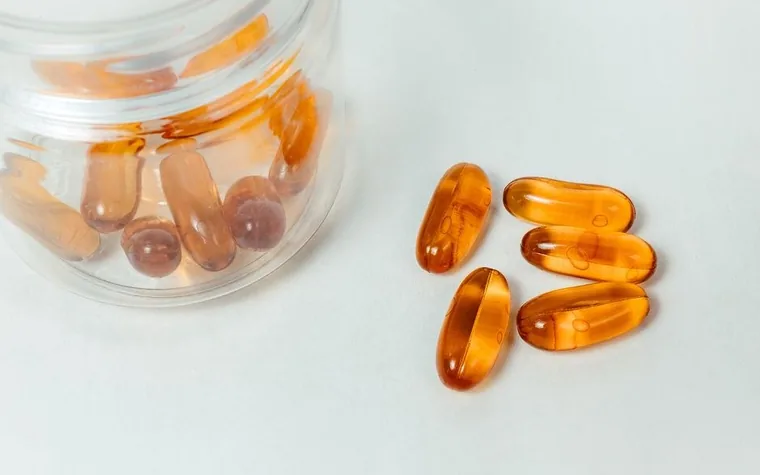
A well-known 2017 randomized, placebo-controlled study by Žmitek and colleagues in BioFactors found that daily oral CoQ10 supplementation -- 50 mg or 150 mg capsules, not a cream -- measurably reduced wrinkle depth and improved skin smoothness over 12 weeks. That's a real result, but it's frequently misquoted as evidence for topical CoQ10 products, when the study measured what happens when the compound is absorbed through the gut and delivered systemically, not applied to the skin's surface. A serum's marketing citing "clinically studied CoQ10" should specify which delivery route the cited study actually used.
Formulation Notes: Why It Oxidizes and What It's Paired With
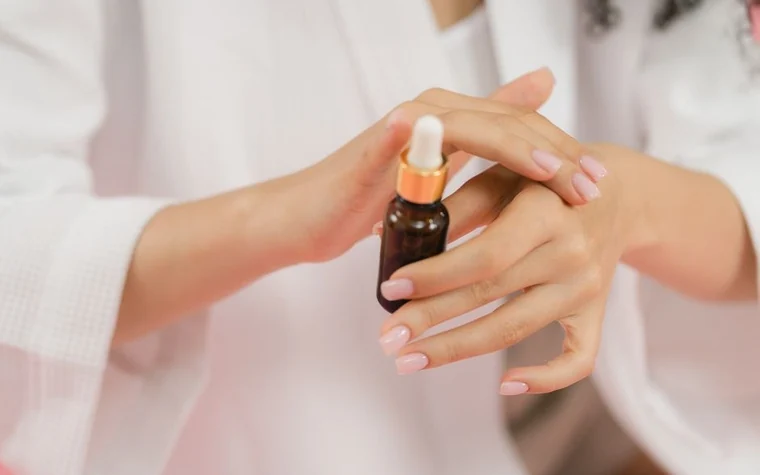
CoQ10 itself is a fairly unstable, oily compound prone to oxidizing when exposed to light and air, which is part of why it is frequently paired with a second stabilizing antioxidant -- often vitamin E, sometimes vitamin C -- in the same formula, similar to how ferulic acid stabilizes vitamin C rather than working alone. A 2025 formulation study combined encapsulated ubiquinone with hyaluronic acid and vitamin C in a single serum specifically to address this instability, though combination formulas make it even harder for a consumer to isolate how much of the visible effect, if any, comes from the CoQ10 fraction versus the other actives. As with any oxidation-prone ingredient, storage matters as much as the label percentage -- a serum left open on a sunlit shelf loses potency the same way an improperly stored vitamin C serum does.
Quick Recap
- CoQ10 (ubiquinone) is a mitochondrial antioxidant; topically, its main job is intercepting UV-generated free radicals before they reach collagen-producing fibroblasts.
- Hoppe et al., 1999, established that it penetrates the epidermis and reduces UVA-linked oxidation with a strong safety profile.
- Inui et al., 2008, found it suppresses collagenase after UVB exposure -- protecting existing collagen, not necessarily building new collagen.
- The CIR's 2018 survey found a maximum leave-on concentration of 0.05% ubiquinone in actual cosmetic products, well below marketing percentages describing raw-material concentrates.
- The widely cited 2017 wrinkle-reduction trial used oral capsules, not a topical product -- don't let a serum borrow that study's results.
- It oxidizes readily and is usually paired with vitamin E or vitamin C for stability, and it doesn't mix well with sloppy storage in light or heat.
As with any new active, introduce it gradually rather than layering it into a full routine on day one -- the same patch-testing habit that applies to stronger actives applies here too, even though CoQ10's irritation profile is mild.
Sources: Hoppe et al., 1999, BioFactors (topical CoQ10 penetration and antioxidant activity); Inui et al., 2008, BioFactors (UVB-induced wrinkle formation and collagenase suppression); U.S. Cosmetic Ingredient Review, 2018 concentration-of-use survey and safety assessment of ubiquinone ingredients; Žmitek et al., 2017, BioFactors (oral CoQ10 randomized controlled trial). This article explains ingredient research and is not a treatment recommendation. Patch-test any new serum before regular use, and consult a board-certified dermatologist about a specific skin concern.
All content is fact-checked under our editorial standards.