
Vitamin C (L-Ascorbic Acid) Stability: Why pH and Concentration Decide If Your Serum Still Works
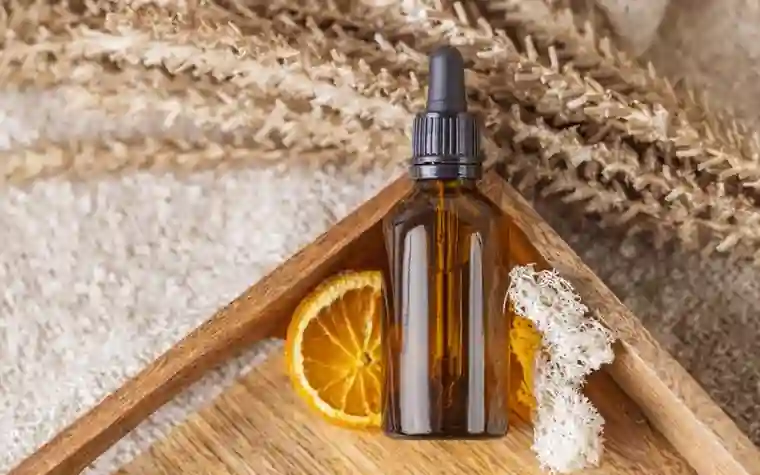
An open bottle of vitamin C serum that's turned from clear to amber-brown hasn't gone "extra strength" -- it's oxidized, and the active ingredient is largely gone. L-ascorbic acid is one of the best-studied brightening actives in skincare, but it's also one of the least stable, and the chemistry behind why explains almost everything about how these products are formulated, priced, and how long they actually last on your shelf.
Why pH isn't a formulation footnote here
L-ascorbic acid needs to be formulated at a low pH -- below roughly 3.5 -- for its carboxylic acid groups to stay in a form that can actually cross the skin barrier. This is the finding behind Sheldon Pinnell's foundational percutaneous absorption research in the early 2000s, and it's why a well-made vitamin C serum feels distinctly acidic rather than neutral. The catch is that this same low-pH environment that makes the molecule penetrate skin is also the condition under which it degrades fastest once exposed to air.
What oxidation actually does to the molecule
Once L-ascorbic acid is exposed to oxygen, light, or heat, it degrades to dehydroascorbic acid and then further into inactive byproducts -- the reaction is also accelerated by trace metal ions like copper, iron, and zinc that can leach in from packaging or water sources. This is the same reaction that turns a lemon slice brown; skin serums just make it visible more slowly. The visible color shift -- clear or pale yellow turning to a darker amber -- is a genuinely useful signal that a meaningful fraction of the active has already broken down, not a sign the formula got more potent.
The concentration ceiling nobody talks about
More vitamin C isn't simply better. Pinnell's research established that roughly 10-15% L-ascorbic acid at a pH below 3.5 produces measurable skin penetration and antioxidant activity in skin cells, and going meaningfully higher doesn't reliably improve absorption further -- it mostly adds irritation risk for skin that's already dealing with a low-pH formula. The often-cited "gold standard" combination from Pinnell's 2005 follow-up work paired 15% L-ascorbic acid with 1% vitamin E and 0.5% ferulic acid, a combination chosen specifically because the vitamin E and ferulic acid measurably extend the vitamin C's stability and antioxidant activity, not just because three actives sounded better than one.
How brands try to slow the clock
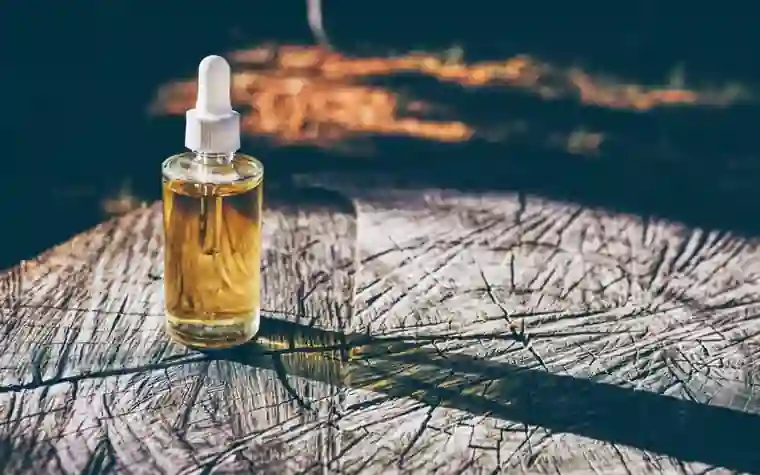
Formulators fight oxidation on several fronts at once: opaque or amber packaging to block light, airless pump dispensers to limit oxygen exposure between uses, and chelating agents that tie up the metal ions that would otherwise accelerate the reaction. Some formulas also add a buffering system around the ascorbate anion, or a cationic polymer that binds it into a more stable network, both aimed at slowing the same degradation pathway rather than changing the underlying chemistry of the molecule itself. None of these tricks make L-ascorbic acid stable indefinitely -- they buy time, typically a few months from first opening rather than years.
Derivative forms trade stability for a different profile
Ingredient lists showing sodium ascorbyl phosphate (SAP), magnesium ascorbyl phosphate (MAP), or ascorbyl glucoside aren't inferior vitamin C -- they're different molecules that sidestep the pH and oxidation problem by staying stable at a near-neutral pH. The tradeoff is that they generally require enzymatic conversion in skin to become active ascorbic acid, and that conversion is less predictable and typically less efficient than applying the acid form directly. For sensitive skin that can't tolerate a low-pH serum, a derivative is a legitimate way to get some vitamin C benefit without the irritation -- it's a different cost-benefit tradeoff, not a downgrade across every measure.
How to read the signs a bottle is done
Color is the most reliable at-home indicator: a shift from clear or pale straw to a visibly darker amber or brown means significant oxidation has already occurred, even if the product still smells and feels normal. A separated or noticeably thinner texture than when you bought it is a secondary sign. Because degradation accelerates with heat and light, storing a vitamin C serum away from a sunny bathroom windowsill and keeping the cap tightly closed between uses meaningfully extends how long it stays active -- more than any single ingredient choice does once the bottle is opened. And because a fresh, low-pH L-ascorbic acid serum is also one of the more irritating actives to introduce, it's worth patch-testing a new bottle the same way you would any new active, especially the first time you try a higher concentration.
Where this fits in a routine
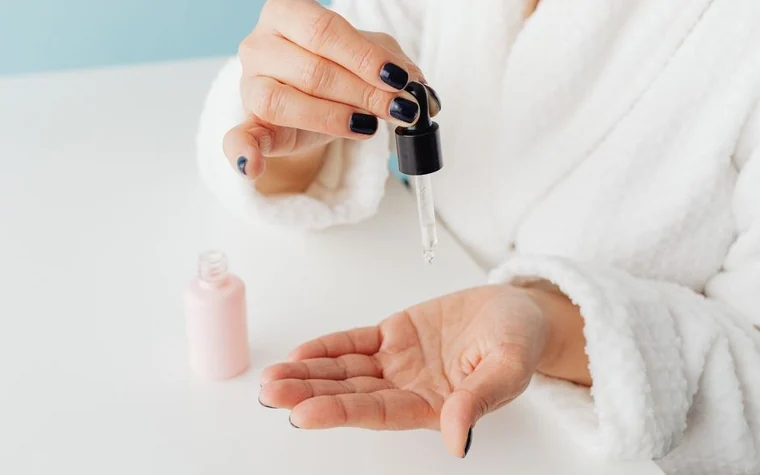
Because L-ascorbic acid is most stable and best studied as a standalone morning step, it's usually layered before sunscreen rather than mixed into a night routine built around retinol -- a separation this site has covered from the photostability side already. If brightening and pigmentation are the actual goal rather than vitamin C specifically, it's also worth knowing that alpha arbutin and tranexamic acid work through different mechanisms and don't carry the same stability headaches, which is why some formulators reach for them instead of a high-percentage L-ascorbic acid serum.
Bottom line
1. L-ascorbic acid needs a pH below ~3.5 to penetrate skin -- the same condition that makes it oxidize fastest.
2. 10-15% is roughly where the evidence for penetration and activity sits; going higher mostly adds irritation risk.
3. Vitamin E and ferulic acid aren't filler -- they measurably extend the serum's stability and activity.
4. A color shift to amber or brown means the active has already broken down, regardless of how the product still feels.
Patch-test any new vitamin C product before full-face use, and consult a board-certified dermatologist for concerns about pigmentation or skin sensitivity -- this article describes cosmetic ingredient chemistry, not medical advice.
All content is fact-checked under our editorial standards.