
Aloe Vera in Skincare, Explained: What the CIR's 2007 Review Says About the 50 ppm Anthraquinone Limit, 0.1 to 20 Percent Use Levels and Reading the Label
Aloe is one of the most familiar words on a skincare label, and also one of the least specific. "Aloe" can mean a gel, a juice, a water or a purified polysaccharide, each at a different strength. The main safety review is the Cosmetic Ingredient Review (CIR) Expert Panel's 2007 report in the International Journal of Toxicology. This guide explains what that report says, what its 50 ppm figure means and how to read an aloe label.
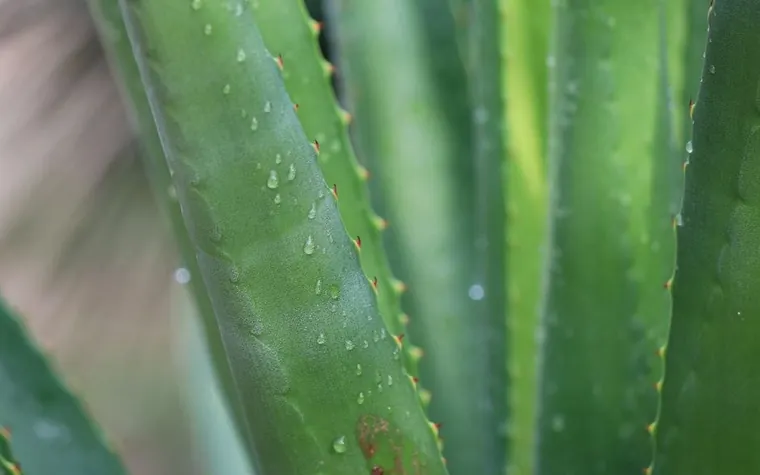
Where cosmetic aloe comes from
The CIR describes the aloe leaf in two parts. Just under the skin of the leaf are pericyclic cells that make a bitter yellow latex containing anthraquinones, compounds that are phototoxic and irritate the gut. The inner central area is the gel, which is the part used in cosmetics and contains polysaccharides. Cosmetic aloe is meant to be the gel, not the latex.
The 50 ppm limit
The CIR notes an industry-established limit of 50 ppm or lower for anthraquinones in aloe-derived material for nonmedicinal use. The panel concluded that anthraquinone levels in several Aloe barbadensis extracts are well understood and can meet that limit. It also said that in aloe-derived cosmetic ingredients of any species the level should not exceed 50 ppm. This is a purity specification for the raw material, not a figure you can read on a bottle.
Phototoxicity: why the panel was not alarmed
Anthraquinones have shown phototoxicity in laboratory work. The panel said, however, that several clinical studies of preparations made from Aloe barbadensis showed no phototoxicity, which it took to mean the anthraquinone levels in those preparations are too low to cause it. That conclusion depends on the material meeting the low-anthraquinone specification.
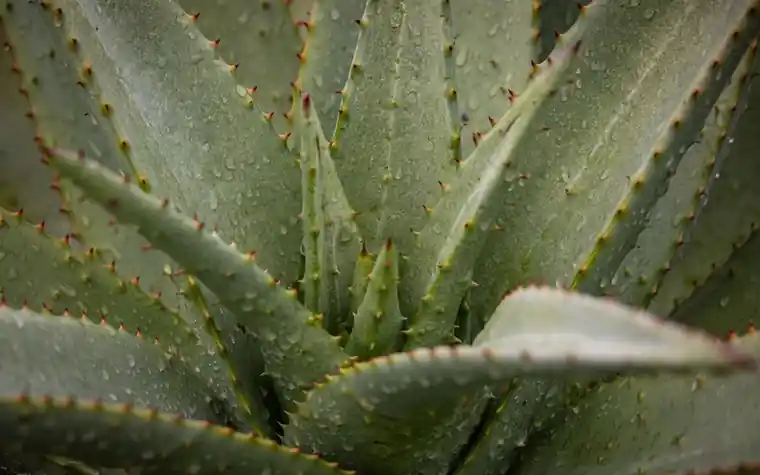
How much aloe is in a product
The CIR reports that aloe-derived ingredients are used in a wide range of products at raw-material concentrations of 0.1 percent or less, though as high as 20 percent. The aloe content of the raw material itself can range from 100 percent down to 0.0005 percent. So a front label saying "aloe" does not tell you how much plant is in the jar, and the report gives no way to work it out.
Reading the label
The CIR assessed Aloe Barbadensis Leaf Juice, Leaf Extract, Leaf Water, Leaf Polysaccharides and Flower Extract, plus Aloe ferox, arborescens and andongensis ingredients. Position matters because ingredients are listed by amount, so an aloe name near the top suggests more than one near the end.
Other species: less certain
The panel said the characterization of ingredients from species other than Aloe barbadensis is not clear and asked for 28-day dermal toxicity studies on the Aloe andongensis, arborescens and ferox ingredients. Plain Aloe barbadensis ingredients are the best documented.
Skin reactions and what the report does not cover
The CIR lists case reports of acute eczema, contact urticaria and dermatitis in people who applied aloe-derived ingredients to the skin. Aloe is a plant material, so a patch test is sensible, and the same applies to fragranced versions; see fragrance-free versus unscented. The report is a safety assessment of cosmetic use. It does not rank aloe against other moisturizers, and this guide makes no claim that aloe treats any skin condition.
Short version
Aloe in cosmetics should be the leaf gel with anthraquinones held to 50 ppm or less. The CIR panel said Aloe barbadensis material can meet that limit and that other species are less well characterized. How much aloe is inside is rarely knowable from the front label. For other moisturizing ingredients, see glycerin and allantoin, and try new products with our patch-test method. This article is educational, not medical advice: patch-test new products first, and ask a dermatologist about acne, rosacea or any persistent skin problem.
All content is fact-checked under our editorial standards.