
Alcohol Denat in Skincare: Why 'Alcohol Is Always Bad' Doesn't Hold Up
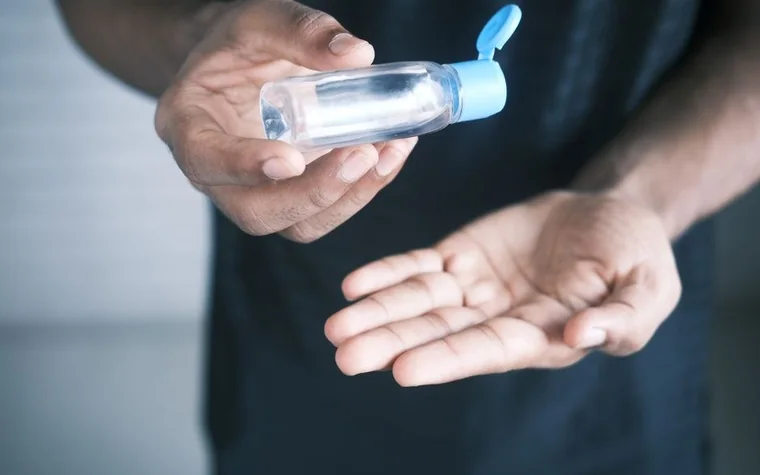
"Alcohol denat" shows up near the top of the ingredient list in toners, essences, and long-wear sunscreens, and it has a worse reputation than almost any other ingredient in skincare. Alcohol denat is ethanol -- the same molecule as drinking alcohol -- that has been deliberately made undrinkable, or "denatured," by adding a bittering or toxic-tasting compound such as denatonium benzoate, so it can be sold and used industrially without being diverted for beverage use. Chemically it's still ethanol at its core; the denaturant is what changes.
What "Denat" Actually Means
The CIR Reviewed It, and the Verdict Wasn't "Unsafe"
The Cosmetic Ingredient Review (CIR) Expert Panel published a full safety assessment of Alcohol Denat. and related SD Alcohol grades. Its conclusion was that these ingredients are safe as used in cosmetic products, on the reasoning that dermal application doesn't produce meaningful systemic ethanol exposure -- the amount absorbed through skin is too small to matter the way drinking it would. The panel asked for more data on a couple of specific denaturants (quassin, brucine), not on the core ingredient's use in leave-on products.
What It Actually Does in a Formula
Alcohol denat evaporates fast, which is exactly why formulators use it. In a toner or essence, it helps the product feel lightweight instead of tacky and speeds up how quickly other actives -- vitamin C, niacinamide -- can settle onto the skin surface. In long-wear sunscreen and makeup, it helps a film form and set so the product resists rubbing off. It also works as a solvent for ingredients that don't dissolve well in water alone.
The Real Concern Is Drying, Not Toxicity
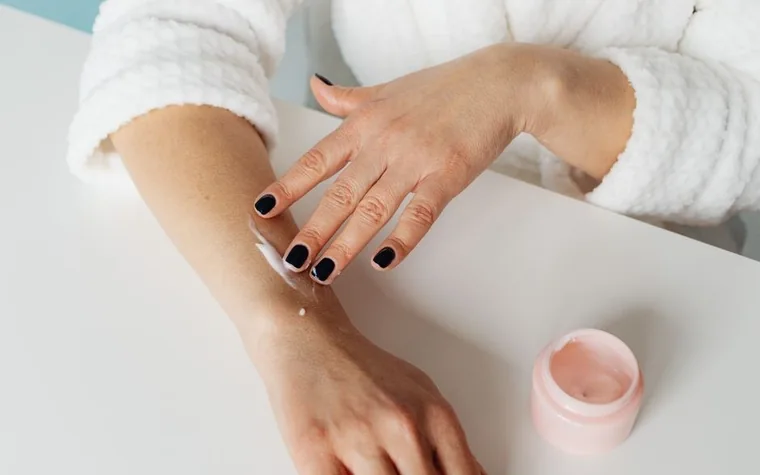
The legitimate issue with alcohol denat isn't systemic safety -- it's what repeated evaporation does to the skin surface. Evaporating alcohol pulls some water and lipids from the outer skin layer along with it, which is why products with alcohol denat high on the ingredient list can leave skin feeling tight or dry with frequent use. This effect is dose-dependent: a product where it's the fourth listed ingredient behaves very differently from one where it sits near the bottom of a long list, and skin with an already-compromised barrier will feel that drying effect more than resilient, oilier skin.
Why Fatty Alcohols Are a Different Ingredient Entirely
This is where most of the "alcohol is bad" confusion comes from. Cetyl alcohol, cetearyl alcohol, and stearyl alcohol are fatty alcohols -- derived from coconut or palm oil, not ethanol -- and they don't evaporate. They function as emollients and emulsion stabilizers, essentially the opposite job of alcohol denat, and they're generally considered non-drying. Seeing the word "alcohol" on a label tells you almost nothing on its own; the specific word after it (denat vs. cetyl vs. stearyl) determines whether that ingredient dries skin out or softens it. Our humectant vs. occlusive vs. emollient breakdown covers where fatty alcohols fit in that structure.
Who Should Actually Avoid It
Dry, dehydrated, or barrier-compromised skin is where alcohol denat causes the most noticeable problems -- if you already know your skin sits on the dehydrated side of the dry vs. dehydrated distinction, a toner listing it in the first five ingredients is worth watching. Oilier, more resilient skin types tend to tolerate it without much issue, and some people specifically prefer alcohol-containing toners for the fast-absorbing, non-greasy finish they leave behind. There's no published concentration threshold the way there is for retinol or niacinamide -- position on the ingredient list is the only clue a consumer has.
Bottom Line
Alcohol denat is denatured ethanol, reviewed and found safe for cosmetic use by the CIR based on the low systemic exposure from skin contact -- its real drawback is a drying effect from evaporation, not a toxicity concern. Fatty alcohols like cetyl and cetearyl alcohol are structurally unrelated ingredients that moisturize rather than dry, so seeing "alcohol" alone on a label isn't a useful signal either way. If your skin is on the drier or more reactive side, patch test any new product with alcohol denat near the top of its ingredient list, and see a board-certified dermatologist if you have a diagnosed skin condition rather than adjusting your routine based on ingredient lists alone.
All content is fact-checked under our editorial standards.