
Milia, Explained: Why They're Not Whiteheads and Why Exfoliating Acids Don't Remove Them
Small, hard, white-yellow bumps clustered under the eyes, across the cheeks, or on the nose get labeled "whiteheads" almost automatically -- and treated with the same salicylic acid or benzoyl peroxide routine that clears actual acne. For a subset of those bumps, that approach does nothing, because milia are not a pore problem at all. A milium is a tiny keratin-filled cyst sitting just under an intact layer of skin, not a follicle blocked with sebum and dead cells the way a closed comedone is. No amount of exfoliating acid dissolves the roof of a cyst that has no opening to the surface, which is exactly why some bumps refuse to budge no matter how consistent the routine.
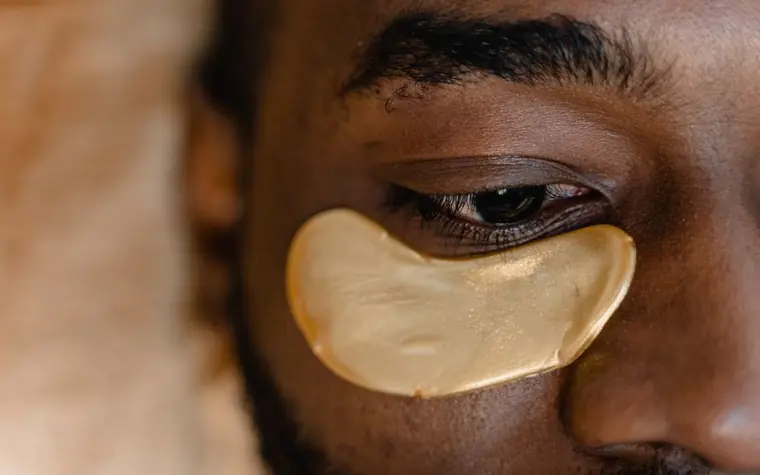
Milia look like whiteheads, but they aren't clogged pores
The one-minute way to tell the difference
Closed comedones (true whiteheads) sit within a hair follicle and usually have a faint central opening a dermatologist can express with gentle pressure using a comedone extractor. Milia have no such opening -- the keratin is sealed beneath a thin layer of epidermis with an intact roof, which is why pressing on one does nothing and why they feel harder and more defined under the fingertip than a whitehead does. Texture-related bumps tied to cell turnover can look similar at a glance, but milia stay the same size for weeks or months rather than resolving as skin cells shed normally.

Why they form in the first place
Primary milia form when keratin -- the structural protein that normally sheds from the skin's surface -- gets trapped instead of exfoliating away, most often around the eyes and cheeks where the skin is thinner. They're common in newborns, where they resolve on their own within weeks, but adult milia behave differently and can persist far longer. Secondary milia form after some kind of skin trauma -- a burn, a blister, aggressive sun damage, or healing after a laser or dermabrasion procedure -- that disrupts normal skin turnover in that spot and traps keratin underneath as it heals.
Heavy, occlusive products are a common trigger
Thick, highly occlusive eye creams and heavy mineral-oil-based moisturizers are frequently associated with milia around the eye area, likely because they sit on skin that's already thin and slow to turn over, making it easier for keratin to get sealed in rather than shed normally. This doesn't mean every rich eye cream causes milia, but switching to a lighter formulation is a reasonable first change for someone who keeps developing new bumps in the same area. Sunscreen itself isn't the trigger -- cumulative sun damage that thickens and disrupts the skin's surface over years is a more likely contributor than any single product.
Why exfoliating acids don't clear them
Salicylic acid works by dissolving the keratin and oil plug inside an open or partially open follicle -- it needs a pathway into the pore to do that job. A milium has no such pathway; the cyst sits under intact skin with nothing for the acid to dissolve into. The same logic applies to retinoids: retinol's clinically studied effect works on cell turnover within a follicle, which can reduce how often new milia form over time by keeping the surface layer shedding normally, but it does not dissolve an existing, already-sealed cyst. Anyone who has used a strong acid or retinoid for months on a stubborn bump with zero change is very likely dealing with a milium, not a whitehead.
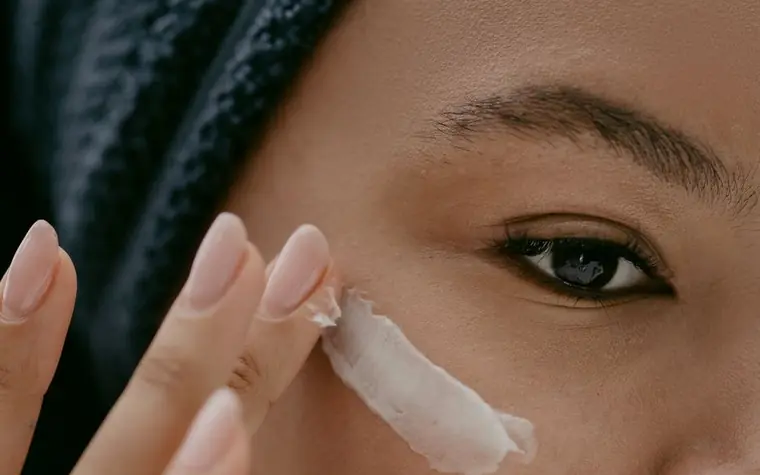
How a dermatologist actually removes one
In-office removal is a quick, minor procedure: the provider uses a sterile fine needle or a #11 blade to make a tiny nick in the roof of the cyst, then expresses the keratin contents with a comedone extractor or gentle pressure. It typically takes seconds per bump, leaves no meaningful mark on most patients, and the bump doesn't return in that exact spot once the trapped keratin is out -- though a new milium can still form elsewhere. Estheticians in some regions are trained to perform this safely as well; the deciding factor is proper sterile technique, not the title on the door.
Why picking at them yourself is a bad trade
Because milia sit under intact skin, getting one out with a fingernail or an at-home extraction tool means tearing through skin that isn't meant to be opened that way, which risks scarring, infection, and post-inflammatory marks that take far longer to fade than the milium itself would have taken to clear professionally. The same caution that applies to testing any new product on your skin applies here: a five-second in-office extraction with sterile tools is a fundamentally different procedure than digging at your own under-eye skin with an unsterilized needle from a drugstore tool kit.
Bottom line
A hard white bump that hasn't responded to weeks of acids or retinoids, especially around the eyes, is more likely a milium than a whitehead -- and no topical product is formulated to dissolve it, because the anatomy doesn't allow it. If a bump won't clear with your existing routine, switching to a lighter eye cream and having it professionally extracted is more effective, and safer, than escalating to stronger acids or trying to remove it yourself.
This article explains general skin biology and is not a substitute for a dermatologist's evaluation. Always patch test new skincare products before regular use, and see a board-certified dermatologist for extraction of milia or any bump that changes in size, color, or texture.
All content is fact-checked under our editorial standards.