
Titanium Dioxide, Explained: The FDA's 25% Sunscreen Ceiling, the EU's Inhalation Classification, and What the SCCS Found for Hair Sprays, Loose Powders and Oral Products
Titanium dioxide is the white mineral behind many sunscreens and a pigment in powders, lip products and toothpaste. Regulators judge it by how it reaches the body: on the skin, in the air or in the mouth. This guide sets out what the FDA, the European Commission and the EU's Scientific Committee on Consumer Safety (SCCS) have written.
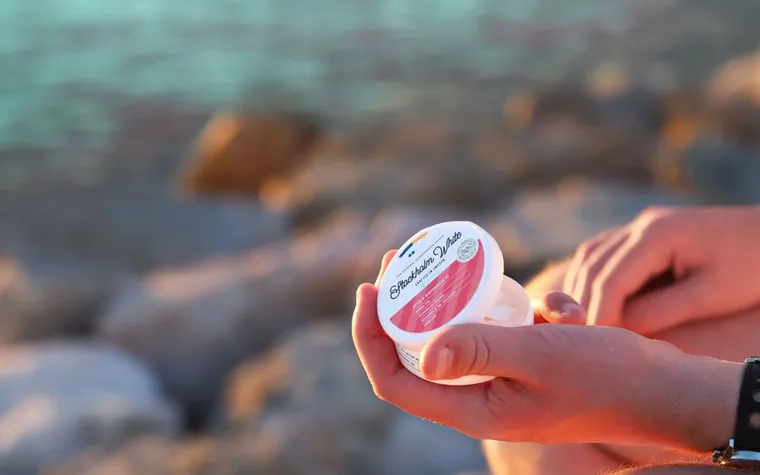
What the ingredient is and does
Titanium dioxide (TiO2) is an inorganic powder. In sunscreen it is a UV filter that sits on the skin. In makeup it is a white colorant. It comes as coarse pigment grades or nano grades, and the rules treat them differently.
The US ceiling: up to 25 percent
On 24 September 2021 the FDA issued Proposed Order OTC000008, which would amend the sunscreen monograph (M020). It proposed that sunscreens containing titanium dioxide or zinc oxide at concentrations up to 25 percent be generally recognized as safe and effective (GRASE). It is a proposal, so check the FDA's sunscreen pages for the current status. Our zinc oxide guide covers the other mineral filter.
The EU limit and a different question
The EU lists titanium dioxide as a UV filter (Annex VI, entry 27) up to a maximum of 25 percent, and as a colorant (Annex IV, entry 143). A separate question is breathing it in. On 4 October 2019 the Commission adopted a classification of TiO2 as a Carcinogen Category 2 by inhalation. That label applies to TiO2 in powder form containing 1 percent or more of particles with an aerodynamic diameter of 10 micrometres or less. It concerns dust, not skin contact.
What the SCCS concluded about sprays and powders
The SCCS adopted its opinion SCCS/1617/20 on 6 October 2020. For products that can be inhaled it concluded:
- Pigmentary TiO2 at 25 percent in a typical hair styling aerosol spray is not safe for consumers or hairdressers
- For that spray, it calculated a safe maximum of 1.4 percent for consumers and 1.1 percent for hairdressers
- Pigmentary TiO2 in loose face powder at up to 25 percent is safe for the general consumer
The limits of that opinion
The committee assessed one material type: pigmentary, anatase, surface-treated TiO2. It said the opinion does not apply to pearlescent pigments. Its margin-of-safety figures were 1.36 for the hairspray at 25 percent and 189 for loose powder. It does not rank sunscreens.
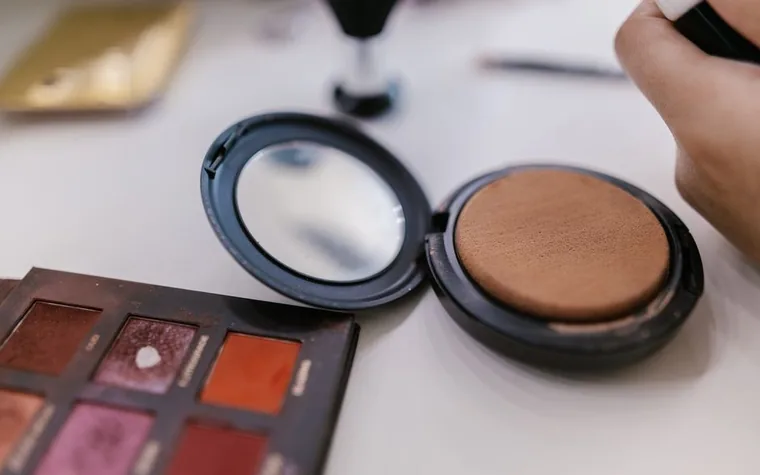
Oral products are a separate file
For products used in the mouth, such as toothpaste and lip products, the SCCS adopted SCCS/1661/23 on 13 May 2024. It found that the available evidence is not sufficient to exclude the genotoxicity potential of almost all TiO2 grades used in oral cosmetics. Only two nano grades, RM09 and RM11, raised no concern. That is a statement about missing evidence, not a finding about a named product.
How to read a label
- Look for Titanium Dioxide and (nano) in the ingredient list
- Choose creams or sticks over sprays or loose powders if you want to avoid inhaling particles
- See our tinted sunscreen guide and the reef-safe sunscreen guide
The short version
Both the US proposal and the EU list allow up to 25 percent as a sunscreen filter. The EU's open questions concern airborne dust and oral products. Patch-test any new product on a small area first, and see a dermatologist for skin reactions or concerns. This article is general information and not medical advice.
All content is fact-checked under our editorial standards.